
European Defence Giant KNDS Launches Internal Probe into 2013 Qatar Arms Deal Amid Resurfaced Allegations
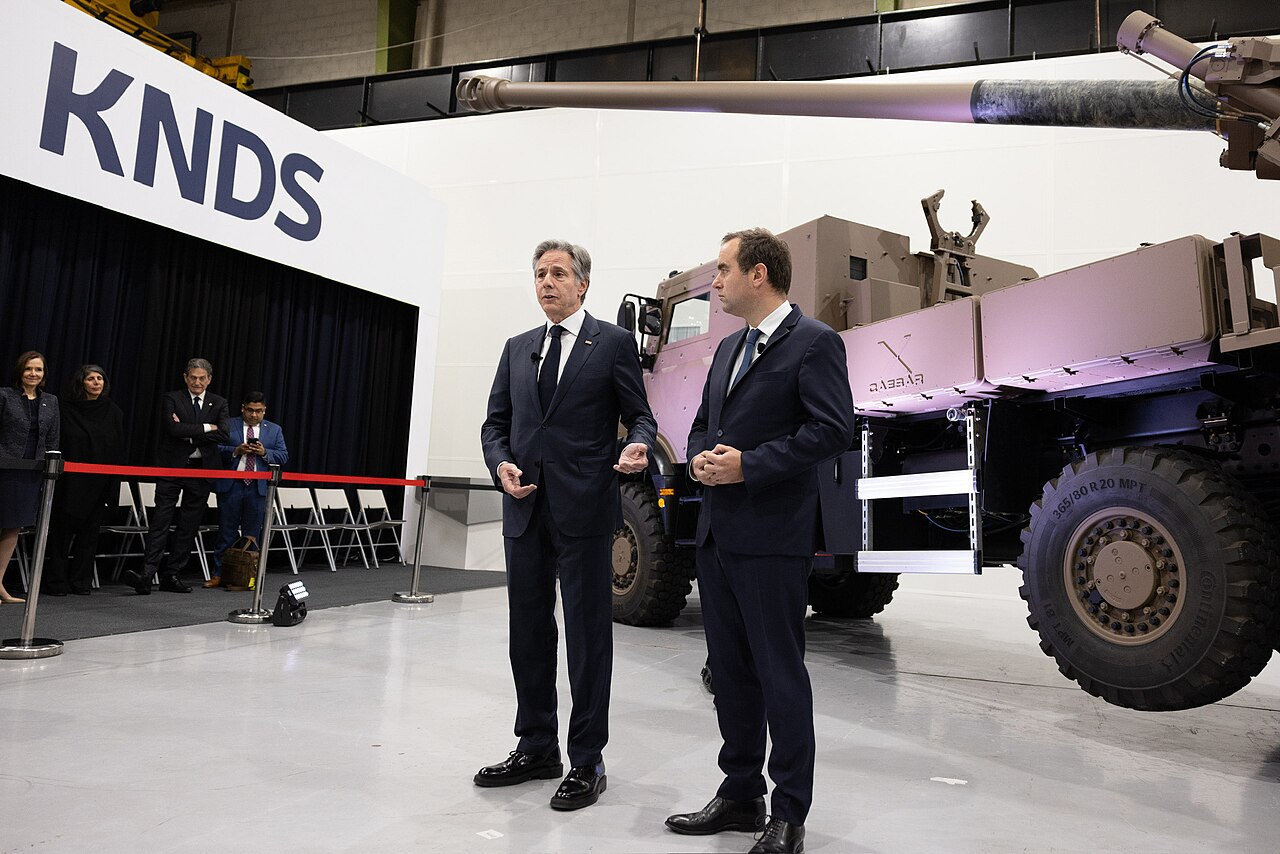
KNDS, a prominent European defence manufacturer, has initiated an independent investigation into a significant arms transaction with the Qatar Armed Forces from 2013. This internal inquiry follows the recent reappearance of previously reported allegations concerning the deal, as confirmed by the company.
The investigation, sanctioned by KNDS’s Board of Directors, is being conducted by external legal counsel and advisory firms. Its scope includes a re-evaluation of conclusions drawn from earlier reviews of the transaction. The contracts under scrutiny were originally signed by Krauss-Maffei Wegmann (KMW), a German company that later merged to form KNDS. The agreement reportedly involved the sale of 24 PzH 2000 self-propelled artillery systems and 62 Leopard 2 main battle tanks, part of a deal widely reported to be valued at €1.89 billion. The comprehensive package also included additional defence equipment, associated services, and training and simulation systems.
KNDS, formed in 2015 through the merger of Germany’s Krauss-Maffei Wegmann and France’s Nexter, stands as one of Europe’s largest manufacturers of land defence systems. The company’s decision to launch a new, independent investigation underscores its stated commitment to upholding stringent standards of governance, compliance, and transparency within its operations.
In its official statement, KNDS elaborated on the ongoing process:
“As part of its ongoing commitment to the highest standards of governance, compliance and transparency, the Board of Directors of KNDS has commissioned an independent investigation into a legacy transaction with the Qatar Armed Forces, dating back to 2013.
In light of the recent resurfacing of previously reported allegations, KNDS launched the investigation which is being conducted by external legal counsel and advisory firms and also comprises an assessment of the conclusions of previously conducted reviews. Based on the current findings of the ongoing investigation, which is well advanced but remains subject to completion, there is no evidence which would warrant the conclusion that any KNDS employees (past or present) involved in the transaction engaged in criminal misconduct.
The contracts subject to this investigation, originally signed by Krauss-Maffei Wegmann, one of the KNDS national predecessor companies, covered the procurement of 24 PzH 2000 artillery systems, 62 Leopard 2 tanks, further defense equipment, related services as well as training and simulation equipment. The company will provide further updates as appropriate. KNDS currently anticipates the finalisation of its 2025 financial statements and their audit during the course of May 2026.”
The German publication Der Spiegel was the first to report on the new investigation, alleging that the inquiry specifically focuses on substantial commission payments made to a consultancy firm. This firm is reportedly linked to a Qatari general, raising questions about potential conflicts of interest or improper influence. It is crucial to note that these allegations, as reported by Der Spiegel, remain unproven, and KNDS has not publicly confirmed the specific details of the German outlet’s reporting concerning the nature of the allegations or the parties involved. At the time of initial reports, Qatar’s International Media Office did not respond to requests for comment regarding the matter.
Der Spiegel further reported that the prominent international law firm Freshfields had been tasked with reviewing the transactions. However, KNDS’s public statement did not confirm the identity of the external legal counsel involved in the investigation. Similarly, the publication claimed that auditing firm PwC had withheld its approval of KNDS’s 2025 annual accounts pending the outcome of the ongoing inquiry, suggesting that this uncertainty could impact the company’s planned stock market listing. KNDS, in its statement, noted its anticipation for the finalisation of its 2025 financial statements and their audit during May 2026 but did not directly address the question of a potential initial public offering (IPO) or its timeline.
Despite the ongoing nature of the probe, KNDS has indicated that, based on the current findings of its “well advanced” investigation, there is “no evidence which would warrant the conclusion that any KNDS employees (past or present) involved in the transaction engaged in criminal misconduct.” The company, however, reiterated that the investigation is still subject to completion, implying that further developments or conclusions could emerge.
Why This Matters
This independent investigation by KNDS into a decade-old arms deal carries significant implications, extending beyond the company itself to impact corporate governance, the global defence industry, and international relations. At its core, the probe highlights the persistent challenges of ensuring transparency and ethical conduct in high-value, cross-border defence contracts, which are often susceptible to allegations of corruption due to their sensitive nature and complex structures.
For KNDS, a major European defence player, the outcome of this investigation is critical for its reputation and future business operations. Allegations of improper payments, even if historical and inherited from a predecessor company, can severely damage public trust and investor confidence. In an era of increased scrutiny on corporate responsibility, KNDS’s proactive decision to launch an independent investigation, even if prompted by resurfacing allegations, signals a commitment to compliance. However, the ultimate impact will depend on the thoroughness of the investigation and the transparency with which its findings are communicated.
The reported withholding of approval for KNDS’s 2025 annual accounts by its auditor, PwC, underscores the financial ramifications of such inquiries. This pause can create uncertainty among shareholders and potential investors, especially if the company has ambitions for a future stock market listing, as suggested by Der Spiegel. The ability to present clean financial statements is fundamental for market entry and sustained investor appeal, making the swift and definitive resolution of this investigation paramount for KNDS’s financial planning and strategic growth.
More broadly, this case sheds light on the ethical landscape of the international arms trade. Defence procurement often involves governments, significant budgets, and national security interests, making it a sector where robust oversight and strict anti-corruption measures are essential. Any hint of impropriety, real or alleged, can undermine public confidence in the integrity of defence spending and procurement processes globally. It also serves as a reminder to all defence contractors of the long-term liability associated with legacy transactions and the importance of due diligence in mergers and acquisitions.
Finally, the involvement of Qatar, a significant player in regional and international politics and a major purchaser of Western defence equipment, adds another layer of importance. While Qatar has not commented on the allegations, any findings could potentially affect its defence relationships and reputation. The scrutiny applied to this deal reflects a broader international trend towards greater accountability for both sellers and buyers in the global arms market, emphasizing that past transactions are not immune to future examination under evolving standards of corporate governance and anti-corruption vigilance.