
Three individuals associated with an international cruise expedition across the Atlantic Ocean have died, with preliminary investigations and one confirmed laboratory test pointing to hantavirus infections. The World Health Organization (WHO) and South African health authorities announced Sunday that a total of eight cases, including the three fatalities, are suspected or confirmed to be linked to the rare, rodent-borne viral disease. One case has been officially confirmed through laboratory testing, while five others remain under investigation as suspected infections, in addition to the three deaths. One patient is currently receiving intensive care in South Africa.
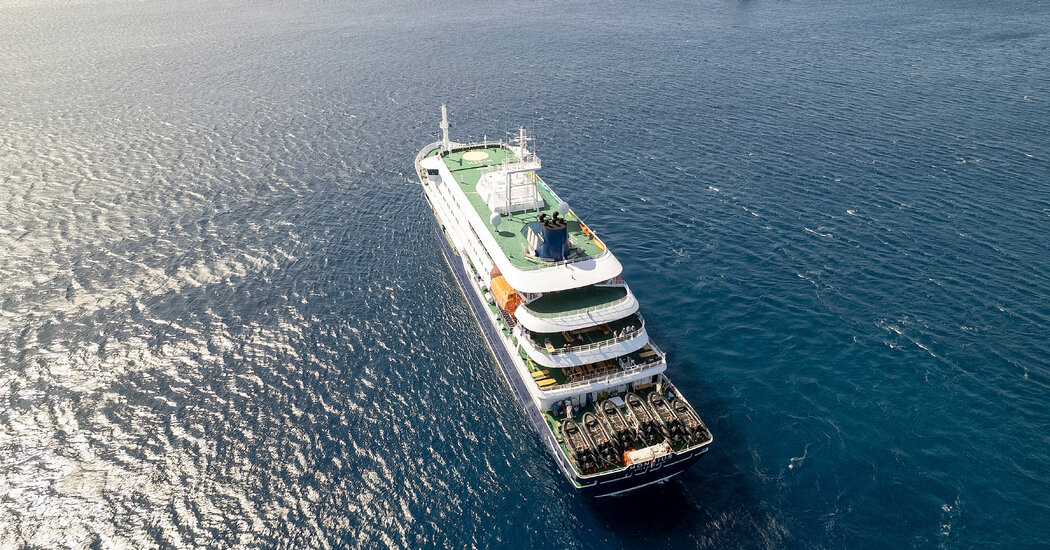
The outbreak surfaced following the voyage of the MV Hondius, an international cruise ship carrying approximately 150 passengers from various countries. The vessel departed Ushuaia, Argentina, about three weeks prior, embarking on a journey to the Canary Islands. Its extensive itinerary included stops at remote locations such as mainland Antarctica, the Falkland Islands, South Georgia, Nightingale Island, Tristan da Cunha, St. Helena, Ascension Island, and Cape Verde. This lengthy and diverse route has complicated the tracing of potential exposure points and the coordination of medical responses across multiple jurisdictions.
Among the affected, a 70-year-old male passenger reportedly fell ill with symptoms consistent with severe acute respiratory infection, including fever, headache, abdominal pain, and diarrhea. He tragically died upon arrival at St. Helena Island. His remains are awaiting repatriation to the Netherlands. Subsequently, his 69-year-old wife, who had also fallen ill during the voyage, collapsed at O.R. Tambo International Airport in South Africa while attempting to return home to the Netherlands. She was immediately transferred to a medical facility but succumbed to her illness.
The third fatality involved a British national. This individual developed severe symptoms while the MV Hondius was traveling between St. Helena and Ascension Island. After initial care, the patient was medically evacuated to a private health facility in Sandton, South Africa. Laboratory tests conducted there confirmed the presence of hantavirus, marking the definitive confirmed case in this cluster. Foster Mohale, a spokesperson for South Africa’s National Department of Health, stated that passengers from the MV Hondius were receiving medical attention in South African facilities due to “serious health complications arising from undiagnosed severe acute respiratory infection.” The operator of the MV Hondius could not be reached for immediate comment on Sunday.
Hantavirus refers to a genus of viruses within the family Hantaviridae, primarily carried by various species of rodents globally. Transmission to humans typically occurs through the inhalation of aerosolized particles from rodent urine, droppings, or saliva. Less commonly, it can be spread through direct contact with infected rodents or their bites. Importantly, person-to-person transmission of hantavirus is extremely rare, which is a crucial factor in managing public health concerns during outbreaks.
The initial symptoms of hantavirus infection often mimic those of the flu, presenting as fever, chills, body aches, and headaches. However, as the disease progresses, particularly in the case of Hantavirus Pulmonary Syndrome (HPS), severe respiratory complications can develop. Patients may experience shortness of breath, followed by rapid progression to lung failure due to fluid accumulation, or in some cases, heart failure. The incubation period can range from one to eight weeks after exposure, making it challenging to pinpoint the exact moment or location of infection, especially given the extensive itinerary of the cruise ship.
Hantavirus infections in humans are considered rare. According to the U.S. Centers for Disease Control and Prevention (CDC), only 890 cases of hantavirus were reported in the United States between the start of surveillance in 1993 and the end of 2023. This infrequent occurrence highlights the unusual nature of a cluster of cases, particularly aboard a cruise ship. While globally rare, specific strains of hantavirus are endemic to certain regions, with differing rodent hosts and clinical presentations. The recent passing of Betsy Arakawa, the wife of actor Gene Hackman, from complications related to hantavirus infection last year served as a reminder of the virus’s potential severity.
In response to this emerging situation, South Africa’s National Department of Health is collaborating closely with the National Institute for Communicable Diseases (NICD) and Gauteng Health authorities. Their efforts are focused on comprehensive contact tracing, aiming to identify and monitor any individuals who may have been exposed to the virus, both on board the ship and within South African borders. Given the international nature of the cruise and its passengers, the World Health Organization is actively coordinating a multicountry response. This involves liaising with all affected islands and countries that were part of the MV Hondius’s itinerary to manage the situation and prevent further potential spread of the disease.
Foster Mohale emphasized that there is “no need for the public to panic,” particularly within South Africa, as only a limited number of confirmed or suspected patients from the cruise ship have been within the nation’s borders. The concerted international effort underscores the complexities of managing infectious disease outbreaks in a globalized travel context, where individuals can move rapidly across vast distances after potential exposure. The primary goal of these coordinated efforts is to contain the immediate situation, provide appropriate medical care, and investigate the source of the infections to inform future prevention strategies.
Why This Matters
This cluster of hantavirus cases aboard an international cruise ship, resulting in multiple fatalities, underscores several critical aspects of global public health and the challenges posed by infectious diseases in interconnected societies. Firstly, it highlights the persistent threat of zoonotic diseases—those transmitted from animals to humans—even in seemingly controlled environments like a modern cruise vessel. While the exact source of exposure on the MV Hondius is still under investigation, the presence of hantavirus, typically carried by rodents, raises questions about environmental health protocols in varied and often remote port locations, as well as on board ships that visit such areas.
Secondly, the incident demonstrates the complexities of rapid international travel in the context of disease surveillance and response. Passengers and crew from diverse nationalities traveled across multiple continents, potentially incubating symptoms over weeks. This extended travel period and the global nature of the passenger manifest necessitate a sophisticated, multicountry response coordinated by entities like the WHO. Such events test the capabilities of international health regulations and the ability of national health systems to communicate, share information, and enact contact tracing across borders effectively.
Furthermore, the rarity and severity of hantavirus, particularly Hantavirus Pulmonary Syndrome, mean that medical professionals, especially in non-endemic areas, may not immediately recognize its symptoms, which can initially mimic common illnesses. This case serves as a crucial reminder for healthcare providers worldwide to consider less common pathogens in patients with severe, unexplained respiratory illness, especially those with recent travel history to areas where zoonotic diseases might be encountered. The unfortunate outcomes in this cluster underscore the importance of rapid diagnosis and specialized critical care for severe hantavirus infections.
Finally, for the cruise industry, this event emphasizes the need for stringent public health measures, including pest control, sanitation, and robust medical protocols on board. While cruise ships typically maintain high standards, incidents like this prompt a review of protocols, especially when voyages include stops at diverse and sometimes wild environments where human-wildlife interfaces are more common. It reinforces the ongoing challenge of balancing adventure tourism with comprehensive health security for passengers and crew, ensuring confidence in travel in an era of persistent microbial threats.