
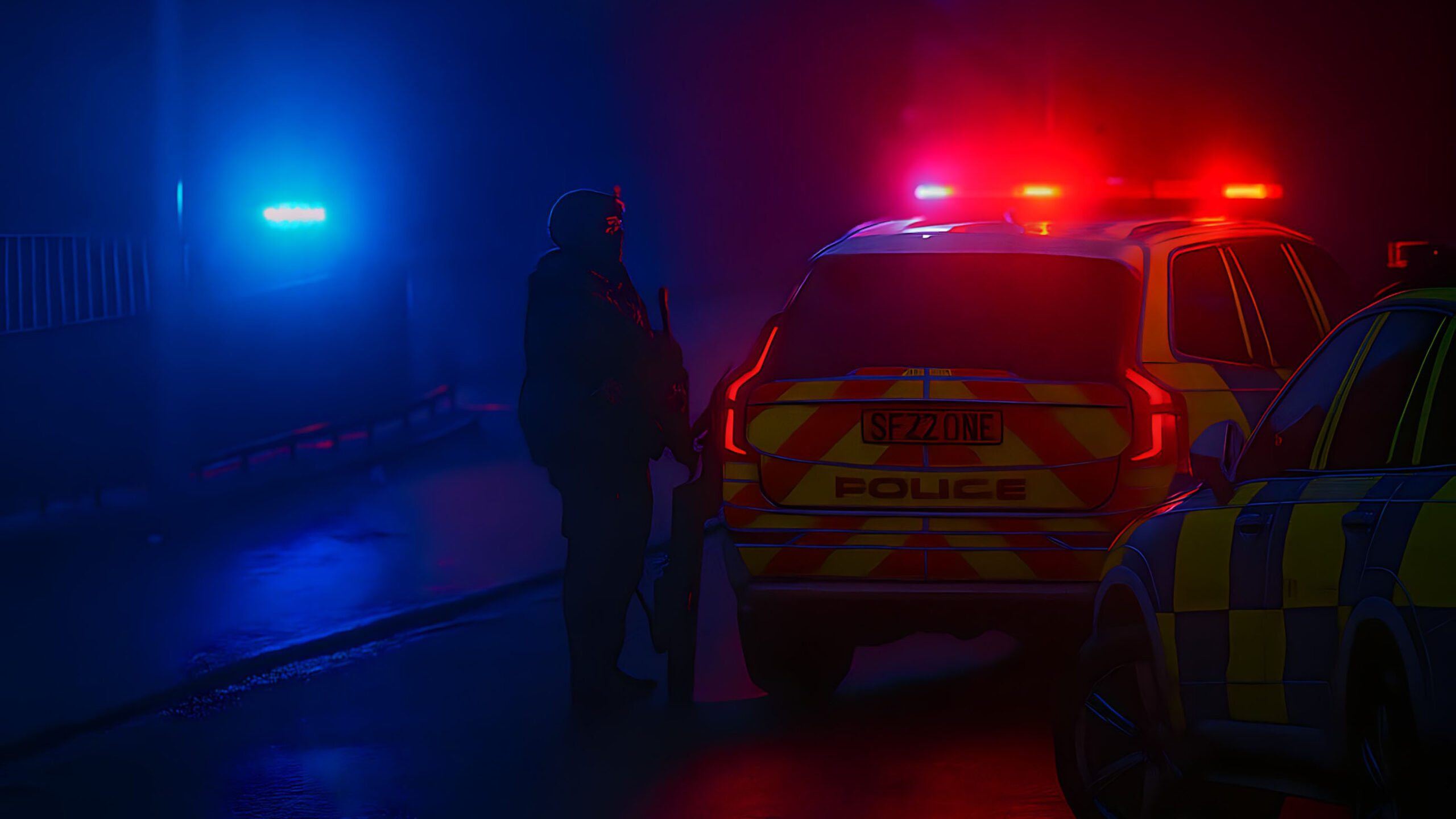
High Court Claim Filed Against PSNI Over Alleged Unlawful Source Identification
An investigative journalist in Northern Ireland has initiated a High Court claim against the Police Service of Northern Ireland (PSNI), alleging that the force unlawfully sought to identify their confidential sources by obtaining their communications data. The National Union of Journalists (NUJ) has brought the case to public attention, highlighting serious concerns about press freedom and the protection of journalistic sources.
The journalist, who focuses on reporting serious crime and paramilitary activity within Northern Ireland, has been granted anonymity by the court and is identified only by the designation YZL. The legal action seeks compensation for alleged misuse of private information, harassment, and multiple breaches of the Data Protection Act. Such a claim underscores the profound impact that alleged state interference can have on a journalist’s ability to operate and protect their contacts.
According to reports from Computer Weekly, the PSNI’s applications for the journalist’s communications data were made in 2014. The anonymity order for YZL was formally granted on September 18, with a subsequent hearing in the case scheduled for November. The journalist is being represented by solicitor Olivia O’Kane, a legal professional known for her expertise in media law and human rights cases.
Laura Davison, the NUJ’s General Secretary, expressed profound concern regarding the allegations. “Allegations that the PSNI attempted to uncover another journalist’s sources are deeply worrying,” Davison stated. “Journalists have a right to protect their sources and to report without fear or state interference. This right is a cornerstone of a free press and essential for public accountability, particularly in a society navigating a complex post-conflict environment.”
Davison emphasized that this incident is not perceived as an isolated occurrence within Northern Ireland. She referenced several high-profile cases where the NUJ has supported journalists in challenging unlawful surveillance through the Investigatory Powers Tribunal (IPT). Among these are Barry McCaffrey, Trevor Birney, and Vincent Kearney, all of whom have exposed instances of alleged unlawful surveillance. In a significant judgment delivered in July, the IPT ordered the PSNI and MI5 to pay £10,000 each in damages to Vincent Kearney, finding that his right to source protection had been breached. This ruling underscored the considerable risks faced by journalists working in a society still grappling with the legacies of conflict.
The timing of this new claim follows a series of adverse findings against the PSNI regarding its practices concerning journalistic sources. An independent review conducted by Angus McCullough KC, published last year, identified 21 separate instances involving eight journalists where the PSNI had attempted to identify confidential sources. The McCullough review concluded that the PSNI’s Code of Practice between 2007 and 2015 was fundamentally flawed, as it failed to adequately consider whether the authorisations for obtaining communications data were justified by an “overriding public interest.” Consequently, the review deemed these actions “unlawful.” Jon Boutcher, the current Chief Constable of the PSNI, formally accepted these findings in writing, acknowledging the systemic issues within the force’s past practices.
The cases of Barry McCaffrey and Trevor Birney, central figures in the documentary “No Stone Unturned” about the 1994 Loughinisland killings, serve as prominent examples. They were arrested in 2018 in connection with their reporting and subsequently succeeded at the Investigatory Powers Tribunal in establishing that they had been unlawfully surveilled by state agencies. Similarly, Vincent Kearney, currently Northern Editor at RTÉ and formerly the BBC’s home affairs correspondent in Belfast, was awarded a total of £20,000 in July. This compensation was split evenly between the PSNI and the Security Service (MI5) after it was found that his phone records had been unlawfully obtained.
While the NUJ has largely welcomed the McCullough review as a necessary step, the union maintains that its terms of reference were drawn too narrowly. The NUJ continues to advocate for a broader, judge-led public inquiry that would extend beyond the PSNI to include the actions of other police forces and MI5. The protection of journalistic sources has been a consistently contentious and vital issue in Northern Ireland for an extended period. Reporting on sensitive matters, particularly those involving paramilitary organizations and the conduct of security forces during and after the Troubles, frequently relies on individuals who would face significant and potentially life-threatening risks if their identities were to be disclosed.
Why This Matters
This ongoing legal challenge and the preceding revelations regarding police surveillance of journalists in Northern Ireland carry profound implications for press freedom, public accountability, and the rule of law in democratic societies globally. At its core, the ability of journalists to protect their confidential sources is fundamental to investigative journalism. Without this protection, individuals with critical information about wrongdoing, corruption, or abuses of power—especially in sensitive areas like crime, security, and governance—would be deterred from coming forward. This chilling effect directly impedes the press’s crucial role in informing the public and holding powerful institutions to account.
In Northern Ireland, the issue is particularly acute due to its unique post-conflict context. Journalists reporting on the legacies of the Troubles, paramilitary activity, and the conduct of security forces often deal with highly sensitive information and sources who face genuine threats if identified. The alleged actions of the PSNI, a key institution in maintaining peace and justice, risk undermining public trust not only in law enforcement but also in the democratic processes designed to ensure transparency and accountability. A failure to uphold the sanctity of journalistic sources could hinder efforts towards reconciliation and transitional justice, as vital information about past events might remain hidden.
Furthermore, these cases test the efficacy of oversight mechanisms like the Investigatory Powers Tribunal and highlight the need for robust legal frameworks that clearly define the boundaries of state surveillance. The findings of the McCullough review and the Chief Constable’s acceptance of them underscore systemic failures within state bodies to adhere to legal and ethical standards when interacting with the press. The NUJ’s call for a broader inquiry reflects a demand for comprehensive transparency and accountability across all state agencies, emphasizing that breaches of journalistic protection are not isolated incidents but potentially indicative of wider systemic issues. The outcomes of these legal battles will establish significant precedents, influencing how press freedom and source protection are respected and enforced not just in Northern Ireland, but potentially in other jurisdictions facing similar challenges.