
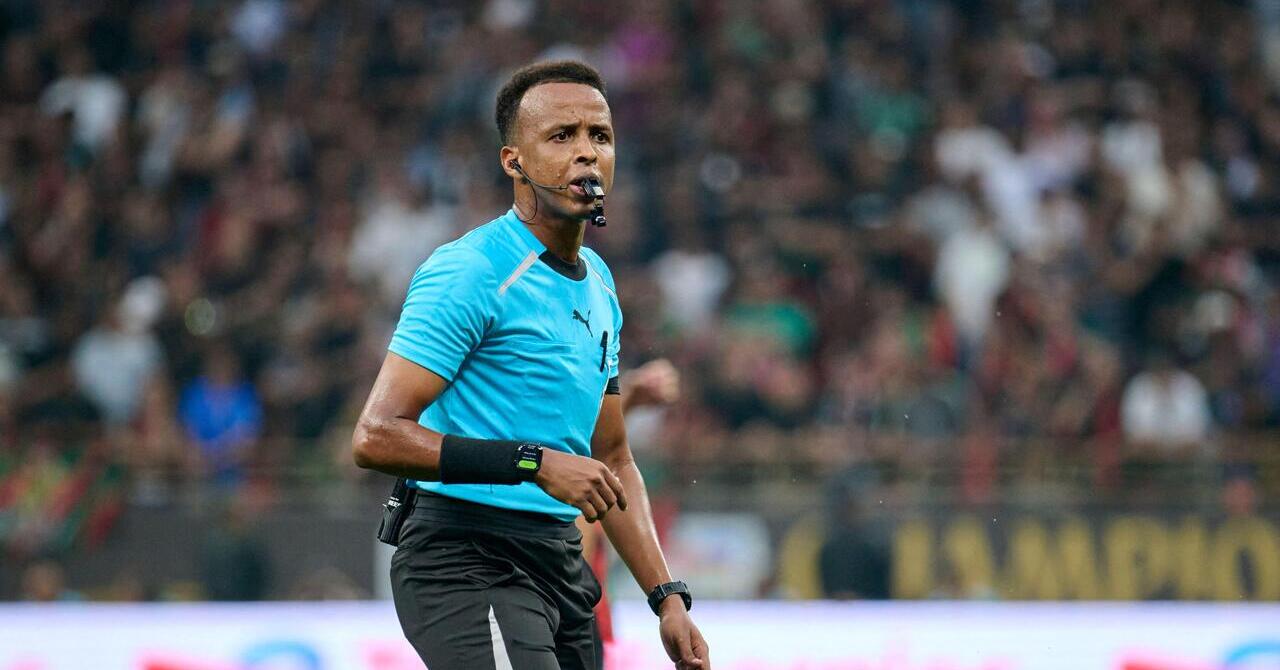
A dark cloud hangs over the nascent preparations for the 2026 World Cup, not from a disallowed goal or a contentious VAR decision, but from an act far more insidious: the denial of entry to a FIFA-appointed referee, Omar Artan, by the United States. This isn’t just a logistical mishap; it’s a diplomatic blunder, a human tragedy for a dedicated official, and a stark betrayal of the ‘football family’ ideals FIFA so frequently champions. Artan, a Somali referee chosen for the pinnacle of his profession, found his dreams shattered at Miami International Airport, a victim not of his performance, but of geopolitical policies that stand in direct opposition to the unifying spirit of the Beautiful Game.
Artan, a referee on FIFA’s prestigious 52-strong list tasked with officiating the global spectacle, was en route to begin preparations for the tournament, travelling on what was believed to be a diplomatic passport designed precisely to smooth such international passages. Yet, the US border control offered no reason for his rejection, leaving Artan stranded and the football world questioning the sanctity of FIFA’s own agreements. The elephant in the room, of course, is Somalia’s presence on a controversial travel ban list, a policy introduced by former US President Donald Trump – a man, ironically, awarded the inaugural FIFA Peace Prize late last year. The irony is as bitter as it is blinding.
FIFA’s Hollow Promises and Bureaucratic Shrug
In the wake of this disheartening incident, FIFA’s response has been nothing short of a bureaucratic shrug. Their statement, confirming Artan’s inability to officiate and declaring themselves ‘not involved in host country immigration processes,’ rings hollow. To suggest that the world’s governing football body, responsible for orchestrating the planet’s largest sporting event, holds no sway or responsibility in ensuring its chosen officials can actuallyenterthe host country is not merely an abdication of duty; it’s a profound hypocrisy. This hands-off approach directly undermines the very essence of international sportsmanship and fair play. Artan’s gracious, yet poignant, remarks – thanking FIFA and CAF for their ‘support’ while promising to ‘keep my refereeing levels up’ – serve as a dignified counterpoint to the organizational indifference. He told Reuters: “I would like to thank FIFA and CAF for all their support and I promise to keep my refereeing levels up as I concentrate on the future. I want to thank the football family for their messages and wish my colleagues all the best success during the World Cup and I look forward to joining them again in future competitions.”
FIFA’s official line read: “FIFA can confirm that match official Omar Abdulkadir Artan will be unable to train and officiate at the World Cup 2026 after he was denied entry into the United States. FIFA is not involved in host country immigration processes, including visa adjudications, and has been informed by authorities that Mr Artan’s status will not be changed at present. In line with previous FIFA events, a host government ultimately determines who receives a visa and who is admitted into their country.” This statement, devoid of empathy or accountability, only solidifies the perception of a governing body detached from the very individuals who make the game possible.
Infantino’s Pledges: A Contradiction of Credibility
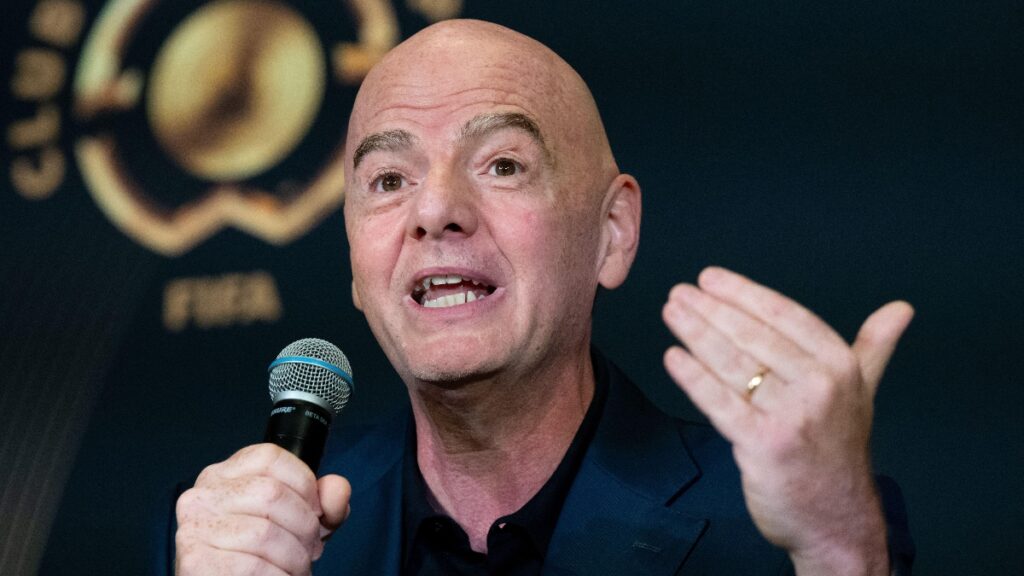
The most damning indictment of FIFA’s current stance comes from its own president, Gianni Infantino. Back in 2017, during the bidding process for this very tournament, Infantino was unequivocal. He declared, with seemingly ironclad conviction: “Teams who qualify for a World Cup need to have access to the country, otherwise there is no World Cup. That is obvious.” He went further, asserting that “We are now in the process of defining the bid requirements. In the world there are many countries who have bans, travel bans, visa requirements and so on and so forth. It’s obvious when it comes to FIFA competitions, any team, including the supporters and officials of that team, who qualify for a World Cup need to have access to the country, otherwise there is no World Cup. The requirements will be clear. And then each country can make up their decision, whether they want to bid or not based on the requirements.” Yet, just weeks before the tournament kicks off, these pledges appear to have evaporated into thin air, sacrificed at the altar of political expediency and host nation sovereignty. What good are such promises if they crumble at the first real test? This isn’t just about one referee; it’s about the integrity of FIFA’s word and the credibility of its leadership.
Beyond Artan: Echoes of Exclusion
Artan’s case, while deeply personal, is not an isolated anomaly. Reports of Iraq striker Aymen Hussein being detained for questioning for seven hours in Chicago, and the team photographer barred altogether, paint a troubling picture. These incidents raise serious questions about the US’s preparedness to host an event that prides itself on global inclusivity. How can a nation expect to embrace the world when its borders remain so selectively guarded, especially against those who are integral to the event itself? The spirit of the World Cup is about bringing diverse cultures together, transcending political divides through the universal language of football. When officials and players face arbitrary exclusion, that spirit is gravely diminished.
Controversy Highlights: The US-FIFA Immigration Saga
- The Miami Rejection:Somali referee Omar Artan, a FIFA-appointed official for the 2026 World Cup, is denied entry to the United States at Miami International Airport without official explanation, despite reportedly travelling on a diplomatic passport.
- The Trump-Era Shadow:Artan’s homeland, Somalia, remains on a US travel ban list introduced by former President Donald Trump, who was recently awarded the FIFA Peace Prize, creating a stark and unsettling irony.
- FIFA’s Hands-Off Declaration:FIFA issues a statement confirming Artan’s inability to participate, asserting its non-involvement in host country immigration processes and deferring ultimate authority to the host government – a move seen by many as an abandonment of its own personnel.
- Infantino’s Broken Promises:FIFA President Gianni Infantino’s 2017 assurances that “any team, including the supporters and officials of that team, who qualify for a World Cup need to have access to the country, otherwise there is no World Cup,” are starkly contradicted by the current situation.
- Artan’s Dignified Response:Despite the personal setback, Artan expresses gratitude to the “football family” and pledges to maintain his refereeing standards, wishing his colleagues success – a testament to his professionalism in the face of adversity.
- Echoes of Exclusion:This incident is not solitary, with reports of Iraq’s striker Aymen Hussein being detained and their team photographer denied entry, highlighting a broader pattern of immigration challenges for participants in international competitions.
The Forecast: A Cloudy Future for Global Inclusivity?
The implications of the Omar Artan debacle extend far beyond a single referee’s missed opportunity. This incident serves as a crucial litmus test for FIFA’s authority and its commitment to its own foundational principles. Moving forward, the pressure on FIFA will intensify. Will they merely issue more platitudes, or will they actively engage with host nations to iron out these critical logistical and diplomatic wrinklesbeforefuture tournaments? One thing is certain: the ‘football family’ is only as strong as its weakest link, and when one of its members is arbitrarily excluded, the entire family suffers.
Prediction:Unless FIFA drastically reasserts its influence and secures unassailable guarantees from future host nations regarding unhindered access for all accredited personnel, we will inevitably see a repeat of such disheartening incidents. The romantic ideal of a truly global World Cup, uniting nations without prejudice, risks being irrevocably tarnished. FIFA must choose: will it stand as a champion of inclusivity, or will it remain a passive observer, letting political headwinds dictate the very spirit of the game it purports to govern? For the sake of the beautiful game, and the dreams of countless officials like Omar Artan, one hopes for the former, but the current trajectory suggests a bumpy, and potentially divisive, road ahead for future global tournaments on US soil.