
Key Takeaways
- An appeals court definitively ruled that the Trump administration lacked the legal authority to claw back climate funding already disbursed to non-profit organizations.
- The judgment reinforces the critical legal principle that once government funds are obligated and paid out, subsequent policy disagreements or legislative changes cannot retroactively reclaim them.
- Despite the favorable legal outcome, the extended freeze on funds caused significant operational damage, including layoffs and leadership changes, highlighting the fragility of climate initiatives in the face of political interference.
In a significant victory for climate action and a clear rebuke of executive overreach, a U.S. appeals court ruled on Tuesday that the Trump administration acted unlawfully by attempting to terminate and claw back billions of dollars in funding that had already been disbursed to various climate nonprofits. The decision marks a crucial precedent regarding the integrity of congressionally appropriated funds and the limits of presidential power.
The Funding at Stake: A Pillar of Climate Strategy
At the heart of this legal battle was the Greenhouse Gas Reduction Fund (GGRF), a cornerstone initiative established by the Inflation Reduction Act (IRA). This ambitious $20 billion program was designed to be a catalyst for clean energy development across the United States. Its primary mechanism involved creating debt facilities, essentially providing low-cost loans and financing to businesses, communities, and projects aiming to transition away from fossil fuels. These facilities were intended to spur innovation, reduce emissions, and accelerate the adoption of renewable energy technologies, from community solar projects to energy-efficient infrastructure upgrades and electric vehicle charging networks.
The fund was strategically structured to address market gaps and attract private capital, targeting projects with robust environmental benefits and economic returns. Proponents lauded its potential to unlock unprecedented levels of investment in green technology, create jobs, and ensure that the benefits of the clean energy transition reached underserved communities. The expectation was that these loans would have delinquency rates comparable to those of commercial lenders, indicating a sound financial model for sustainable growth.
The Freeze: Executive Action and Its Immediate Fallout
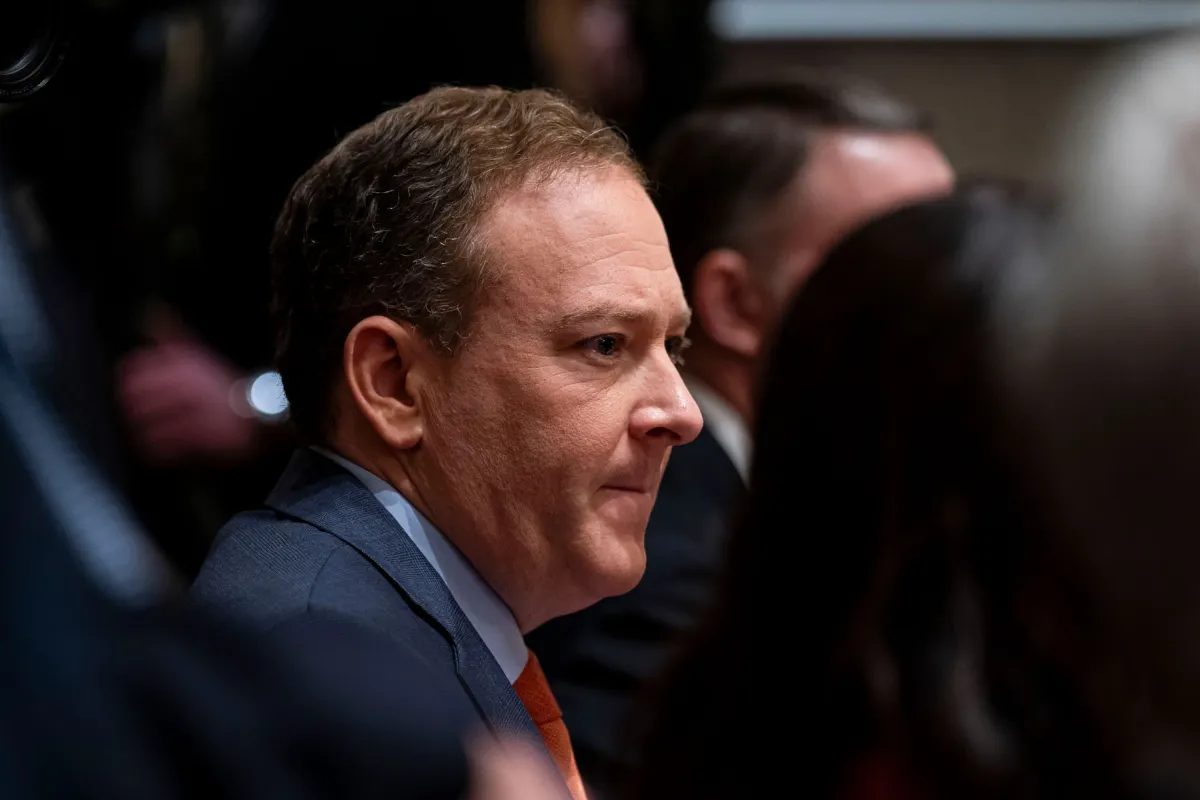
The controversy began in February 2025 when, under the direction of EPA Administrator Lee Zeldin, the Trump administration took the extraordinary step of ordering Citibank to freeze the accounts of eight non-profit groups. This directive, reportedly coordinated with the FBI and the Treasury Department, aimed to claw back billions of dollars that had already been deposited into the organizations’ bank accounts. The administration argued its actions were justified under the newly enacted One Big Beautiful Bill Act (OBBBA), which it claimed repealed the part of the IRA that created the Greenhouse Gas Reduction Fund.
The move sent shockwaves through the climate community. For the affected nonprofits, the immediate consequence was operational paralysis. With their primary funding frozen indefinitely, these organizations, many of whom were already executing critical climate projects, were forced into an existential crisis. The involvement of federal law enforcement agencies like the FBI and Treasury further escalated the situation, implying potential wrongdoing where the court later found only a “policy disagreement.”
The Legal Battle: Disbursed Funds vs. Executive Overreach
The U.S. Circuit Court of Appeals for the District of Columbia Circuit, in a 6-4 decision, ultimately sided with the nonprofits. The judgment upheld an earlier injunction that prevented the EPA from reclaiming the disbursed funds. The core of the court’s reasoning hinged on a fundamental principle of government spending: once funds are appropriated by Congress, obligated, and physically disbursed into the accounts of their intended recipients, they are no longer subject to retroactive clawback by a subsequent administration solely based on a change in policy or a new legislative act purporting to repeal the original funding source.
The majority of the judges explicitly stated that the EPA was attempting to claw back the funding “solely on a policy disagreement.” This finding is crucial, as it suggests the executive branch was overstepping its authority by trying to undo a legislative mandate that had already been executed. The court emphasized that while Congress certainly has the power to repeal laws, that power does not automatically grant the executive the right to retrieve funds that have already been legally transferred and become the property of the recipient. To allow such actions would create an unstable and unpredictable environment for any recipient of federal funding, undermining the certainty required for long-term projects and partnerships.
A Pyrrhic Victory? The Scars of Uncertainty
While the nonprofits celebrated the legal victory, the prolonged battle has left indelible scars. For many, the decision might be a case of “too little, too late.” The several months of frozen accounts forced these organizations to enact drastic measures, including significant budget cuts, project delays, and widespread layoffs. The New York Times reported poignant examples: Climate United’s CEO departed in March and has yet to be replaced, while Power Forward Communities, another recipient, is now operating with a skeleton crew of just two employees.
Beyond the immediate financial and operational damage, the episode has created a chilling effect across the climate sector. The uncertainty and risk associated with federal funding, even after legal disbursement, could deter future organizations from participating in government initiatives or make it harder for them to attract and retain talent. The loss of momentum, institutional knowledge, and established partnerships represents a significant setback for the overall progress of clean energy development and climate resilience efforts in the nation.
Looking Ahead: The Supreme Court Shadow
The legal saga is far from over. The EPA now has a mere seven days to decide whether to appeal the Circuit Court’s ruling to the U.S. Supreme Court. Such an appeal would elevate the stakes considerably, potentially setting a nationwide precedent regarding executive authority, legislative intent, and the stability of federal funding. A Supreme Court review would likely focus on the interpretation of the OBBBA, the limits of the executive branch’s power to unilaterally reverse congressionally mandated spending, and the legal distinction between appropriated funds and disbursed funds.
The outcome of a Supreme Court case could have profound implications, not just for climate policy but for the broader functioning of government and the trust placed in federal programs. The climate community, along with legal scholars and advocates for governmental accountability, will be closely watching the EPA’s next move.
The Bottom Line
The appeals court’s decision is a critical affirmation of the rule of law, clearly delineating the boundaries of executive power and safeguarding the integrity of congressionally appropriated funds. It underscores that while administrations change, the legal obligations and disbursements made under existing law cannot be arbitrarily undone based on policy shifts. However, the severe damage inflicted upon the climate nonprofits during the funding freeze serves as a stark reminder of the vulnerability of essential public good initiatives to political interference. Moving forward, this case will undoubtedly shape future discussions around climate policy, executive authority, and the crucial need for stability in the pursuit of long-term national goals.
When you purchase through links in our articles, we may earn a small commission. This doesn’t affect our editorial independence.
{content}
Source:{feed_title}