
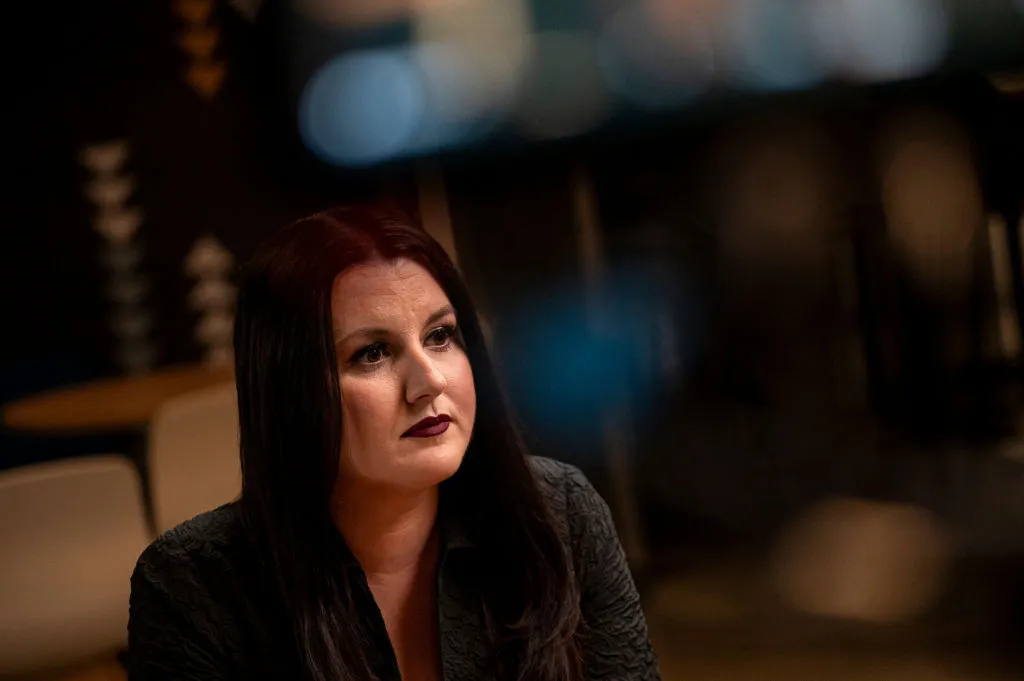
Fidji Simo, OpenAI’s No. 2 executive, is stepping down from her full-time role, The Wall Street Journal reports.
In a staff note Thursday, Simo said her ongoing medical leave has proven longer and harder than expected, and that she’ll transition to a part-time advisory role instead. Simo joined OpenAI’s board of directors in 2024 and joined OpenAI in May 2024 as CEO of Applications, then a newly created role reporting directly to Sam Altman that consolidated the company’s business and product operations.
Her appointment came with a broader reporting shift: COO Brad Lightcap, CFO Sarah Friar, and CPO Kevin Weil all began reporting to her, while Altman stepped back to focus on research, compute, and safety.
Simo first disclosed her health issues in April, when she announced she was taking medical leave for a relapse of a neuroimmune condition; that same memo publicly announced that Lightcap was moving into a new “special projects” role and that CMO Kate Rouch was leaving the company to focus on cancer recovery. Weil has since left the company, too.
Simo came to OpenAI from Instacart, where she’d been CEO since 2021 and led the company through its 2023 IPO, and before that spent over a decade at Meta, including running the Facebook app.
Simo’s decision to step back permanently leaves Altman searching for a successor right as OpenAI itself eyes a possible IPO. She’d been widely seen as a likely candidate to take on even more responsibility once OpenAI went public, making this a real vacuum for him to address.
Simo was primarily focused on growing OpenAI’s consumer business. But ChatGPT’s growth cooled late last year, missing internal revenue targets, pushing the company to lean harder into coding tools instead, an area where it has been, and for now continues to be, trailing Anthropic.
TechCrunch has reached out to OpenAI for more information.
Soon after the Journal story broke, Simo shared the news directly on X, after which Altman responded, also on X: “i am really sad about this and very grateful for all fidji has done for openai, and even grateful for her friendship and who she is as a person. we all wish her the best for a speedy recovery. this sucks.”
Simo’s announcement lands on a busy news day for OpenAI. Earlier Thursday, the company launched its new GPT-5.6 family of models — Sol, Terra, and Luna — alongside a new agent called ChatGPT Work, designed to handle multistep office tasks like drafting documents, spreadsheets, and presentations. Both releases were framed by OpenAI as directly targeting Anthropic.
OpenAI’s executive ranks appear from the outside to be on the thin side for a company that was most recently assigned an $852 billion valuation. In addition to Altman, Lightcap, Friar, and co-founder Greg Brockman (who is also the company’s president and was overseeing product strategy while Simo was out), its bench includes Denise Dresser, who in December joined as the company’s chief revenue officer, overseeing its “global revenue strategy across enterprise and customer success,” per a release at the time.
It wouldn’t be shocking to see Dresser take on a more expansive role, given she previously spent two years as the CEO of Slack and, before that, spent 14 years with Slack’s parent company, Salesforce.
Simo’s departure comes against another backdrop worth understanding: OpenAI’s shifting approach to employee equity. In April of last year, the same month that Simo joined, the company shortened its vesting cliff — the waiting period before new hires’ stock grants begin vesting — from the industry-standard 12 months to six months. Then in December, OpenAI eliminated the cliff altogether for new hires, letting equity start vesting from day one.
The move, described internally by Simo as a way to let employees “take risks” without fear of losing equity if let go early, came amid an escalating AI talent war and reflects just how aggressively OpenAI has been spending to retain staff. The company was projected to spend $6 billion on stock-based compensation in 2025 alone.
None of the aforementioned exits appear tied to compensation. Executive equity packages are typically negotiated individually and could have entirely different vesting terms.
Key Takeaways
- Fidji Simo, OpenAI’s highly-touted CEO of Applications, is stepping down from her full-time role due to an extended medical leave, transitioning instead to a part-time advisory capacity.
- Her departure creates a significant leadership vacuum for CEO Sam Altman, particularly as OpenAI navigates fierce competition, a strategic pivot towards enterprise tools, and potential IPO considerations.
- This executive change adds to a series of recent high-profile exits and comes amid OpenAI’s aggressive, and costly, efforts to reshape its employee equity strategy in the escalating AI talent war.
OpenAI’s Leadership Undergoes Another Major Shift as Top Executive Fidji Simo Steps Down
OpenAI, the pioneering artificial intelligence company, is grappling with another significant leadership transition as Fidji Simo, its CEO of Applications and often seen as the company’s de facto No. 2 executive, announces her departure from a full-time operational role. Simo, who had been on medical leave since April, confirmed in a staff note Thursday that her recovery from a neuroimmune condition has proven more challenging than anticipated, necessitating a shift to a part-time advisory position.
The move marks a considerable change for OpenAI, especially as it races towards a potential public offering and faces intensifying competition in the AI space. Simo, a veteran of Instacart and Meta, was brought in specifically to professionalize and scale the company’s rapidly expanding product and business operations.
Simo’s Pivotal Role and Unexpected Exit
A Strategic Appointment and Broad Mandate
Fidji Simo’s arrival at OpenAI in May 2024 was heralded as a major coup. She joined the company’s board of directors earlier that year and was immediately appointed to the newly created role of CEO of Applications, reporting directly to CEO Sam Altman. Her mandate was clear and expansive: to consolidate and streamline OpenAI’s burgeoning business and product operations. This strategic restructuring saw several key executives, including COO Brad Lightcap, CFO Sarah Friar, and then-CPO Kevin Weil, begin reporting to her. This allowed Altman, notoriously hands-on, to refocus his energies on foundational areas like research, compute infrastructure, and critical safety initiatives.
Simo brought with her a wealth of experience, having served as CEO of Instacart, where she successfully navigated the company through its 2023 IPO. Before that, she spent over a decade at Meta, notably overseeing the massive Facebook app. Her background made her a prime candidate to scale OpenAI’s consumer-facing products, particularly ChatGPT, and build out the operational rigor required of a company with an $852 billion valuation and public market aspirations.
A Promising Future Cut Short
Within OpenAI, Simo was widely perceived as a future leader, potentially poised to take on even greater responsibility as the company matured and considered an IPO. Her operational acumen and track record of managing large-scale consumer products were seen as indispensable assets. However, this promising trajectory was disrupted by health challenges. Simo first disclosed her medical leave in April, citing a relapse of a neuroimmune condition. The recent announcement confirms that her recovery has been more arduous than expected, leading to the difficult decision to step back permanently from her full-time executive duties and transition into a more flexible advisory capacity.
Sam Altman, in an X post following the news, expressed profound sadness and gratitude for Simo’s contributions, underscoring the personal and professional void her departure creates: “i am really sad about this and very grateful for all fidji has done for openai, and even grateful for her friendship and who she is as a person. we all wish her the best for a speedy recovery. this sucks.”
Leadership Shuffle and Strategic Pressures
A String of Departures and Shifting Roles
Simo’s exit is not an isolated incident but rather the latest in a series of executive changes at OpenAI. The same memo announcing her initial medical leave in April also revealed that COO Brad Lightcap would be moving into a new “special projects” role, and CMO Kate Rouch was departing the company to focus on her cancer recovery. Additionally, CPO Kevin Weil, who initially reported to Simo, has also since left the company. This cumulative effect of departures and role realignments has raised questions about the depth and stability of OpenAI’s senior leadership bench at a crucial growth phase.
OpenAI’s Shifting Product Focus
A core part of Simo’s mandate was to drive growth in OpenAI’s consumer business, heavily centered around ChatGPT. However, the report highlights that ChatGPT’s growth cooled significantly late last year, falling short of internal revenue targets. This slowdown has prompted a strategic pivot, pushing OpenAI to lean harder into enterprise and coding tools – an arena where it currently trails formidable competitor Anthropic. Simo’s departure leaves a significant gap in leadership for this critical consumer-facing division, right as the company re-evaluates its go-to-market strategy.
The IPO Horizon and Leadership Vacuum
The timing of Simo’s decision is particularly impactful given OpenAI’s rumored plans for an initial public offering (IPO). As the company prepares for public scrutiny, having a stable, experienced, and deep executive team is paramount. Simo’s perceived role as a key leader for a public OpenAI now leaves CEO Sam Altman with the urgent task of finding a successor to fill this high-profile “vacuum” at a pivotal moment in the company’s trajectory.
Contextualizing OpenAI’s Executive Landscape
A Lean Bench for a Giant
Despite its staggering $852 billion valuation, OpenAI’s executive ranks can appear relatively thin from an outsider’s perspective. The core leadership team primarily consists of Sam Altman, Brad Lightcap (now in special projects), Sarah Friar, and co-founder Greg Brockman, who serves as president and has been overseeing product strategy during Simo’s leave. In December, Denise Dresser joined as Chief Revenue Officer, tasked with overseeing global revenue strategy across enterprise and customer success. Dresser’s background is notable, having spent two years as CEO of Slack and 14 years with Salesforce prior to that. Her extensive experience in enterprise software leadership makes her a strong internal candidate to potentially take on a more expansive operational role in the wake of Simo’s departure.
Beyond the Headlines: A Busy Day
Simo’s announcement coincidentally landed on a remarkably busy news day for OpenAI. Earlier on Thursday, the company unveiled its new GPT-5.6 family of models — Sol, Terra, and Luna — along with a new “ChatGPT Work” agent. This agent is designed to handle multistep office tasks, such as drafting documents, spreadsheets, and presentations, directly targeting enterprise productivity. Both releases were explicitly framed by OpenAI as competitive maneuvers aimed squarely at Anthropic, highlighting the intense innovation and competitive pressure within the AI sector.
The Talent War and Compensation Strategy
Aggressive Talent Retention Amidst Competition
Simo’s departure also provides a backdrop against OpenAI’s evolving approach to employee equity and talent retention. In the fiercely competitive AI talent war, OpenAI has been aggressively adjusting its compensation strategy. In April of last year, coinciding with Simo’s arrival, the company shortened its vesting cliff — the standard waiting period before new hires’ stock grants begin vesting — from the industry-standard 12 months to six months. By December, OpenAI had eliminated the cliff entirely for new hires, allowing equity to start vesting from day one.
Internally, Simo herself articulated this move as a way to empower employees to “take risks” without the fear of losing their hard-earned equity if they were to depart early. This strategy underscores just how aggressively OpenAI has been spending to attract and retain top AI researchers and engineers, with projections indicating a staggering $6 billion expenditure on stock-based compensation in 2025 alone.
Executive Exits vs. General Compensation
It’s important to note, however, that these general changes to employee equity are likely separate from the recent executive departures. Executive compensation packages are typically individually negotiated and can include entirely different vesting terms and performance incentives, meaning these exits are not necessarily tied to the broader shifts in the company’s equity strategy for general staff.
Bottom Line
Fidji Simo’s transition from a full-time executive role to a part-time advisory position due to health challenges is a significant blow to OpenAI’s operational leadership and strategic trajectory. Her departure creates a substantial vacuum for CEO Sam Altman at a critical juncture, as the company grapples with fierce competition, a shifting product strategy, and the immense pressure of an anticipated public offering. Navigating these challenges while ensuring leadership stability and a deep executive bench will be paramount for OpenAI as it strives to maintain its position at the forefront of the rapidly evolving artificial intelligence landscape.
Source:{feed_title}