
Key Takeaways:
- Meta has launched the camera-free Ray-Ban Meta Audio glasses ($349) to directly address privacy concerns and reposition smart wearables as discreet audio companions.
- These new audio-only glasses offer features like music, calls, speech translation, and interaction with Meta’s Muse AI, focusing on a slimmer design and enhanced battery life.
- Alongside, Meta updated its camera-equipped Ray-Ban Meta (Gen 3) with improved optics and new styles, signaling a dual strategy to capture both privacy-conscious and feature-rich segments of the smart glasses market.
Meta’s Strategic Pivot: Unveiling Privacy-First AI Glasses and Next-Gen Wearables
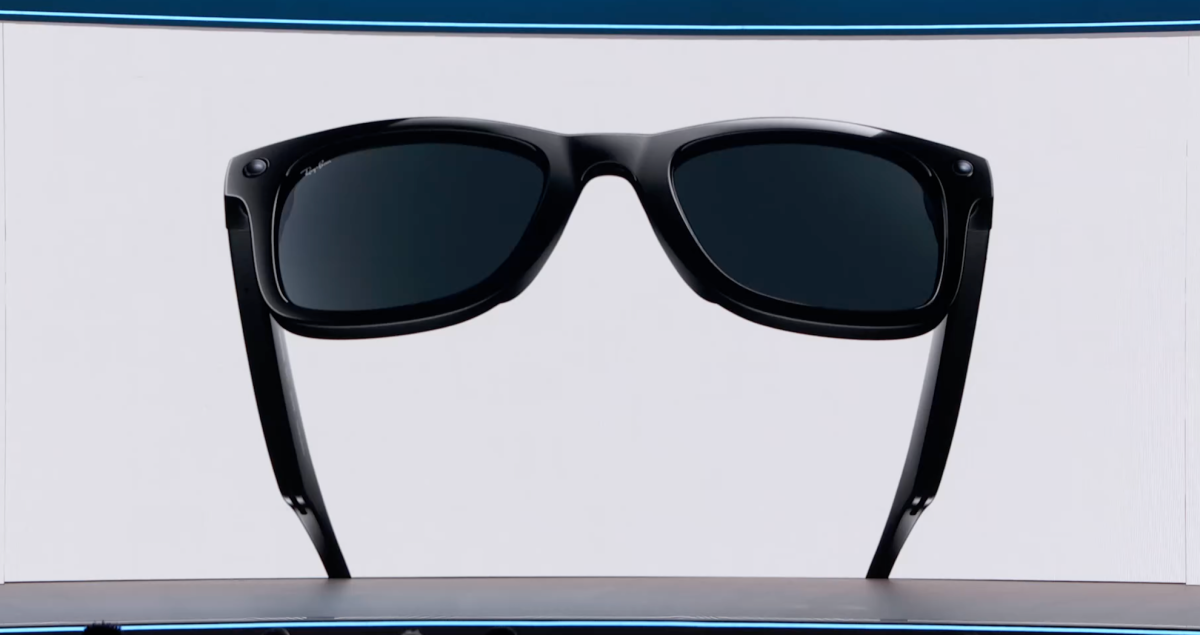
Confirming earlier reports that buzzed through the tech community, Meta took center stage at its Connect 2026 conference on Wednesday to announce a significant expansion of its wearable AI line. The marquee reveal? Its first pair of camera-free AI glasses, dubbed the Ray-Ban Meta Audio. This release marks a strategic move for the tech giant, directly confronting the reputational hurdles that have plagued camera-equipped smart glasses since their inception.
Designed in collaboration with Meta’s long-standing partner in AI hardware, EssilorLuxottica, the audio-only devices are poised to redefine the public’s perception of smart eyewear. Starting at a competitive $349, these glasses are engineered for discretion and utility, offering an array of capabilities including music and podcast playback, hands-free calls, real-time speech translation, and seamless communication with Meta’s proprietary AI assistant, Muse.
Addressing the “Pervert Glasses” Predicament
For years, the promise of smart glasses has been tempered by a lingering shadow: privacy concerns. Early iterations, including Meta’s own camera-enabled models, often invited public scrutiny and even outright derision, earning them the unfortunate moniker of “pervert glasses” by some critics. The ability to discreetly record video without explicit consent sparked widespread ethical debates and discomfort, despite Meta’s attempts to mitigate the issue with software updates like disabling cameras if recording indicator lights were tampered with. The “creepiness factor,” as many termed it, proved stubbornly persistent.
This latest innovation, the Ray-Ban Meta Audio, represents Meta’s most direct and decisive response to this reputational damage. By entirely removing the camera, the company aims to sidestep the most contentious privacy issues, offering a product that can seamlessly integrate AI into daily life without the social stigma associated with hidden cameras. It’s a calculated risk that seeks to rebuild trust and open a new frontier for wearable technology, focusing purely on audio-driven interactions and ambient intelligence.
Design, Functionality, and the “Audio-First” Philosophy
The removal of the camera module allows for a significantly more svelte and comfortable design. The Ray-Ban Meta Audio glasses are notably slimmer than their camera-equipped counterparts, weighing in at a mere 43 grams. This lightweight profile, combined with adjustable temple tips, swappable nose pads, and overextension hinges, underscores a commitment to all-day wearability. Meta claims an impressive battery life of up to 12 hours on a single charge, which extends to an astounding 48 hours with the included portable charging case, making them ideal for extended use.
In terms of aesthetics, the collaboration with EssilorLuxottica shines through. The audio glasses will be available in 23 color and lens combinations across two new styles: a retro-inspired “Clubmaster” Ray-Ban design and “Burbank,” described as a more “classic, timeless, rectangle shape.” Crucially, like other Meta smart glasses, these can also be ordered with optical prescriptions, ensuring broad accessibility for eyewear users. Pre-orders are set to begin on October 13, paving the way for a new category of smart eyewear that prioritizes audio interaction and personal convenience above all else. Meta CEO Mark Zuckerberg articulated the vision, stating, “Once you get used to high quality audio, it’s just a thing that you want all the time, right?” He added that the company realized it could design a whole new category of glasses centered entirely around this premium audio experience.
Beyond Audio: The Ray-Ban Meta (Gen 3) Takes Flight
While the audio-only model grabbed headlines, Meta didn’t neglect its camera-enabled line. The company simultaneously announced its next-generation AI glasses, the Ray-Ban Meta (Gen 3), building upon the foundation established by earlier models. In addition to the popular Ray-Ban Meta Wayfarer style, the Gen 3 lineup introduces two striking new designs: the iconic Aviator and “Zena,” a sophisticated cat-eye frame shape, catering to a wider range of fashion preferences.
These Gen 3 glasses boast significant upgrades in imaging and audio capabilities. They feature a high-resolution 12 MP camera that supports crisp 3K Ultra HD video recording, capturing moments with enhanced clarity. A six-mic array promises superior audio capture for calls and recordings, while battery life sees an improvement, offering up to nine hours of continuous use. This dual-pronged strategy—offering both discreet audio-only and advanced camera-equipped models—allows Meta to cater to diverse user needs and comfort levels within the burgeoning smart glasses market.
The AI Brain: Muse and Future Enhancements
Central to the experience across all new Meta AI glasses, both audio-only and camera-equipped, is seamless access to its advanced personal AI assistant, Muse. This integration positions Muse as the intelligent core, enabling hands-free control and contextual interactions that enhance the utility of the wearables. Whether it’s answering queries, managing schedules, or facilitating real-time translations, Muse is designed to be an ever-present, intuitive companion.
Meta also teased a roadmap of exciting future updates that will further enhance the functionality of its smart glasses ecosystem. These include support for Dolby Atmos Capture, promising immersive audio recording, a smart feature that selects the best photo from a burst of frames, and flexible options for choosing landscape or portrait modes for video. Accessibility is also a focus, with hearing enhancements tailored for individuals with hearing loss. Further software improvements promise more detailed AI responses, various audio modes for different environments, customizable controls, and a crucial feature dubbed “private processing,” which Meta asserts will prevent the company from accessing users’ personal data, reinforcing its renewed commitment to privacy.
The global rollout of Meta’s AI glasses will also see an expanded lineup of styles and colors. The company is strategically bolstering its brand appeal through new partnerships, notably with singer Lisa, following previous successful collaborations like the one with Kylie Jenner. These celebrity endorsements are key to driving mainstream adoption and positioning smart glasses as a desirable fashion accessory as much as a piece of cutting-edge technology.
This dual launch positions Meta to tackle the wearable market from multiple angles. The audio-only glasses directly challenge audio wearables like Apple’s Siri-powered AirPods, offering a distinct form factor and a broader array of AI capabilities integrated directly into eyewear. Meanwhile, the Gen 3 camera glasses continue to push the boundaries of integrated visual capture, appealing to early adopters and creators. Meta’s long-term vision clearly involves embedding AI seamlessly into our daily lives, and these latest iterations of Ray-Ban Meta glasses are crucial steps on that ambitious path.
When you purchase through links in our articles, we may earn a small commission. This doesn’t affect our editorial independence.
Bottom Line:Meta’s introduction of the camera-free Ray-Ban Meta Audio glasses signals a sophisticated shift in its smart wearable strategy, prioritizing privacy and discreet utility while simultaneously advancing its camera-equipped Gen 3 models. By offering a compelling audio-first experience alongside enhanced visual capture, Meta aims to overcome past reputational challenges and carve out a dominant niche in the burgeoning AI wearables market, positioning its Muse AI as the central intelligence for a new era of ambient computing integrated into everyday life.
Source:{feed_title}