
Diverse methods exist for evaluating supercomputers, however, the crucial metric revolves around their capacity to execute floating-point operations each second, known as flops. Achieving the highest possible speed in these computations is key to triumph. During its prime, Sierra was capable of reaching 94.64 petaflops—equivalent to 94.64 quadrillion floating-point computations—per second. Boasting 1.809 exaflops, El Capitan outpaces it by roughly a factor of 19. By the close of 2025, it had been formally recognized as the globe’s swiftest supercomputer. According to Neely, Sierra’s potency was no longer economically viable.
No massivecrimson button, nor an enormous switch, existed to deactivate Sierra. While merely severing the cables was an option, it didn’t align with the prescribed method. Initially, Sierra’s researchers received an email notification instructing them to preserve their ongoing projects. Subsequently, a “Do Not Resuscitate” protocol was officially established—meaning no replacement components would be supplied.
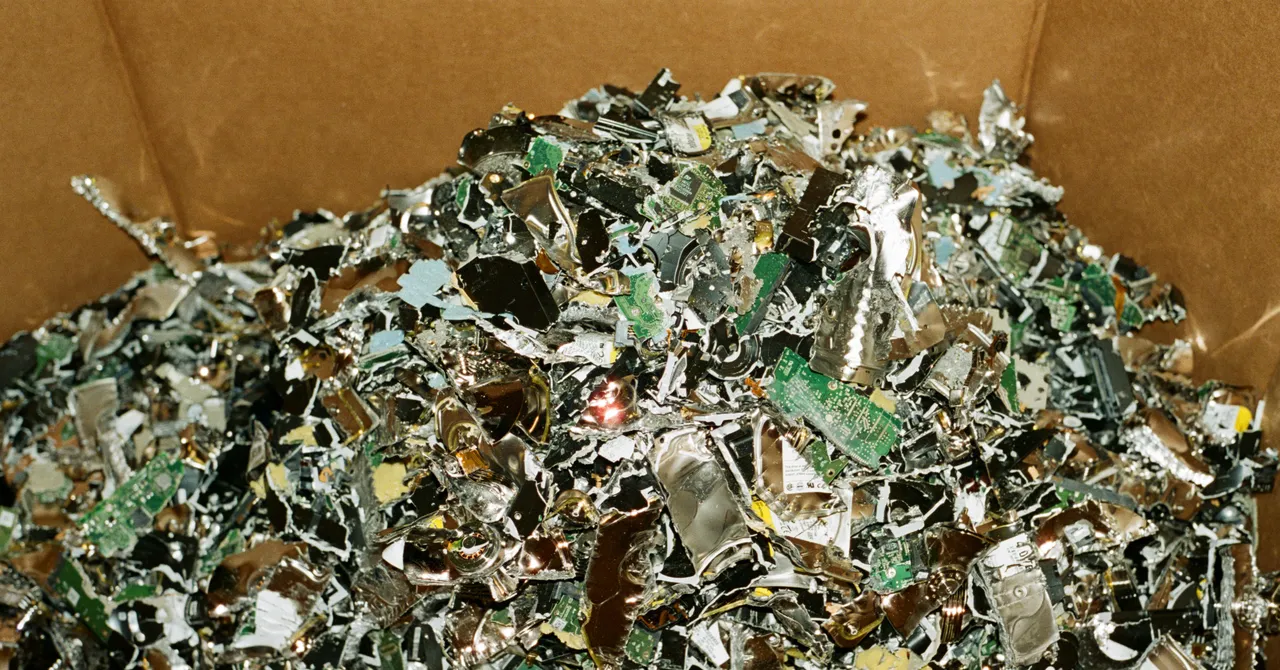
The process of deactivation unfolded in stages, commencing with the processing units and network switches; administrative nodes were reserved for the final step, as their function was required until complete cessation. This operation entailed executing digital commands to power down the machine, followed by manually disengaging the physical power controls. Additionally, a desiccation procedure was implemented. During its operational lifespan, Sierra generated considerable heat, necessitating the laboratory’s circulation of thousands of gallons of water each minute, channeled through intricate conduits emerging from beneath its structural base. As its operational life concluded, this cooling fluid required removal. Prior to disposal, it underwent examination by safety personnel to verify an ecologically sound pH level.
{content}
Source:{feed_title}