
Key Takeaways:
- **Split Trademark Ruling:** A federal court has sided with Elon Musk’s X Corp. on the core “Twitter” trademark, preventing a startup from using the name. However, the court found X likely abandoned the iconic “tweet” mark and the Twitter bird logo, making them available for use.
- **Strategic Trademark Reclamation:** A startup, Operation Bluebird (now Tweet.app), founded by lawyers, is capitalizing on X’s rebrand by actively seeking to acquire and utilize these abandoned trademarks, openly stating its intent to “pick up what Elon Musk dropped.”
- **Enduring Public Affinity & Legal Ramifications:** The case underscores the immense value of brand equity and public association with terms like “tweet.” It sets a precedent for how radical corporate rebrands can impact trademark ownership, especially when deeply ingrained linguistic and visual elements are discarded.
The digital town square, once chirping with “tweets” and adorned with a cheerful blue bird, has been a battlefield of branding since Elon Musk’s acquisition and subsequent rebrand of Twitter into X. Now, a recent federal court ruling has added a fascinating twist to this saga, delivering a split decision that simultaneously affirms X’s ownership of its former flagship name while opening the door for opportunistic challengers to reclaim discarded vestiges of the platform’s past.
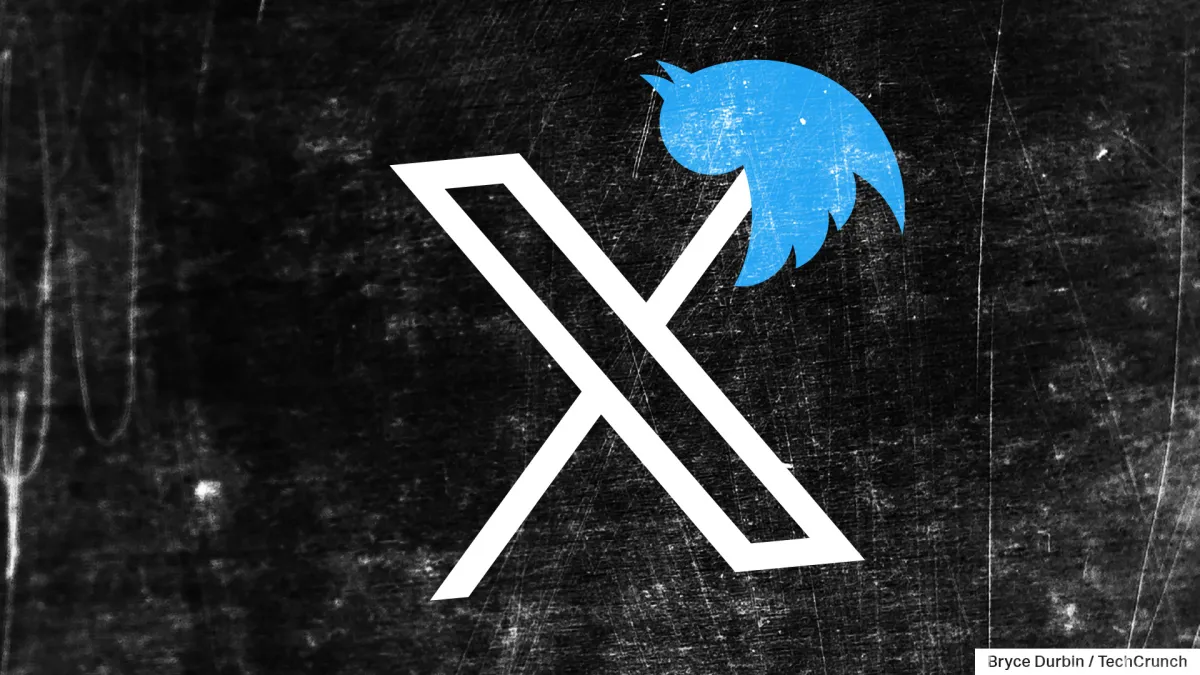
In a move that has significant implications for trademark law and corporate rebranding, a federal court in Delaware has ruled on a legal skirmish between Elon Musk’s X and a nascent social network venture, Operation Bluebird. While the court definitively barred the startup from using the name “Twitter.now”—siding with X on the core “Twitter” trademark—it delivered a surprising blow to Musk’s company. U.S. District Court Judge Colm F. Connolly found that X had likely abandoned two other, profoundly related and iconic trademarks: the universally recognized word “tweet” and the famous Twitter bird logo. This ruling effectively declared these symbols fair game for others to adopt and utilize.
The Court’s Verdict: A Strategic Retreat or Costly Oversight for X?
The judge’s decision, issued as a preliminary injunction ruling, represents a nuanced victory for X, but a potentially significant strategic loss. X successfully defended its ownership of the “Twitter” brand name, preventing Operation Bluebird from directly capitalizing on the goodwill associated with the platform’s original moniker. This was expected, as the “Twitter” name, despite the rebrand, still carries substantial residual value and recognition.
However, the court’s finding regarding the “Tweet” mark and the bird logo is where the true intrigue lies. Judge Connolly wrote in his opinion that Operation Bluebird was “likely to succeed in proving both that X Corp. discontinued the bona fide use of the Tweet mark and Bird logo and that it intends not to resume the use of the marks.” This is a critical legal threshold for trademark abandonment, requiring evidence that the owner not only ceased using the mark but also harbored an intent not to pick it up again. X’s aggressive rebrand, which saw the bird logo removed from the platform and the term “tweet” replaced with “post,” appears to have inadvertently laid the groundwork for this finding. For a company that sought to erase its past identity, this legal outcome could be seen as an unintended consequence of that very ambition.
Operation Bluebird: A Calculated Play for Reclaimed Identity
Stepping into this vacuum is Operation Bluebird, now rebranded as Tweet.app. This Virginia-based startup isn’t shy about its motivations. Its homepage explicitly states its purpose: to “go back and pick up what Elon Musk dropped when he renamed the town square as X, and ‘threw the bird away on his way out.'” This candid approach highlights a business model built less on innovation and more on strategic reclamation of abandoned intellectual property.
The effort is spearheaded by two lawyers, founder Michael Peroff and Stephen Coates, who previously served as a trademark lawyer at Twitter itself. Their legal acumen is undeniable, and their assertion that they are merely interested in building a new social network rings somewhat hollow given their overt strategy. It’s far more probable that their primary objective is to acquire and leverage these valuable, culturally resonant trademarks, which hold significant commercial appeal independent of any underlying social network. The very act of securing rights to “tweet” and the bird logo could be a highly profitable endeavor, whether through licensing, selling the marks, or building a platform around them.
Despite the strong legal undercurrent, Tweet.app is proceeding with the motions of a social network launch. The company reports that over 172,000 individuals requested a handle on the site before its public debut. This remarkable interest is almost certainly a direct consequence of the enduring affinity people have for the “Twitter” brand and its associated lexicon—a name the company is now, ironically, barred from using itself. To further fund their efforts, presumably including ongoing legal battles, the startup is charging users $20 to reserve their handle and join the network. This not only provides a revenue stream but also serves as a litmus test for just how much users are willing to pay for a taste of the old “Twitter” experience, or at least its linguistic trappings.
The Public’s Unyielding Grip on “Tweet”
The cultural staying power of “tweet” is a central theme in this legal saga. As Stephen Coates, president of Operation Bluebird, eloquently stated in an announcement about the rebrand, “A tweet was never a corporation. It’s one person saying something. That word survived three years of a company trying to replace it, because the public declined to stop using it. We think that tells you who it belongs to.” This sentiment resonates deeply with users who, despite X’s efforts, often still refer to posts as “tweets” and the act of posting as “tweeting.”
The case highlights a unique challenge in brand management in the digital age: can a company truly dictate language when its products have become verbs and nouns in the global lexicon? X’s rebrand was an ambitious attempt to shed an old identity for a new “everything app” vision. However, the ruling suggests that some aspects of a brand become so deeply embedded in public consciousness that they transcend corporate ownership, becoming almost genericized terms. While not a full genericization (like “aspirin” or “zipper”), the court’s finding of abandonment points to a similar principle: if a company actively disavows and ceases use of a deeply ingrained term, it risks losing control, especially if public usage persists. This dynamic demonstrates the immense power of collective user habit and language evolution in shaping the fate of intellectual property.
The Road Ahead: Unfinished Business
It’s crucial to remember that this ruling is a preliminary injunction, not a final judgment. The case will proceed to a full trial to definitively determine whether X ultimately retains rights to any of the Twitter marks it chose to discard. This ongoing legal battle will serve as a fascinating case study for trademark law, particularly concerning abandonment in the context of radical corporate rebrands. It raises questions about the responsibility of companies to maintain vigilance over their intellectual property, even when actively trying to move past it, and the potential for savvy legal entities to capitalize on such strategic shifts.
Bottom Line:
The federal court’s split decision in the X vs. Tweet.app trademark battle is more than just a legal skirmish; it’s a powerful lesson in branding, cultural inertia, and the intricate dance between corporate strategy and public perception. While X secured its past “Twitter” identity, its deliberate abandonment of “tweet” and the iconic bird logo has created an unprecedented opportunity for others to reclaim what the public still fondly remembers. This case underscores that some brand elements, once woven into the fabric of everyday language and digital culture, become extraordinarily difficult to erase or control, even by their original creators. It highlights the enduring power of a brand’s legacy and the potential for legal opportunists to thrive in the wake of ambitious, yet potentially incomplete, corporate transformations. The true cost of X’s rebrand may yet be tallied in the continued public life of its discarded symbols.
When you purchase through links in our articles, we may earn a small commission. This doesn’t affect our editorial independence.
Source:{feed_title}