
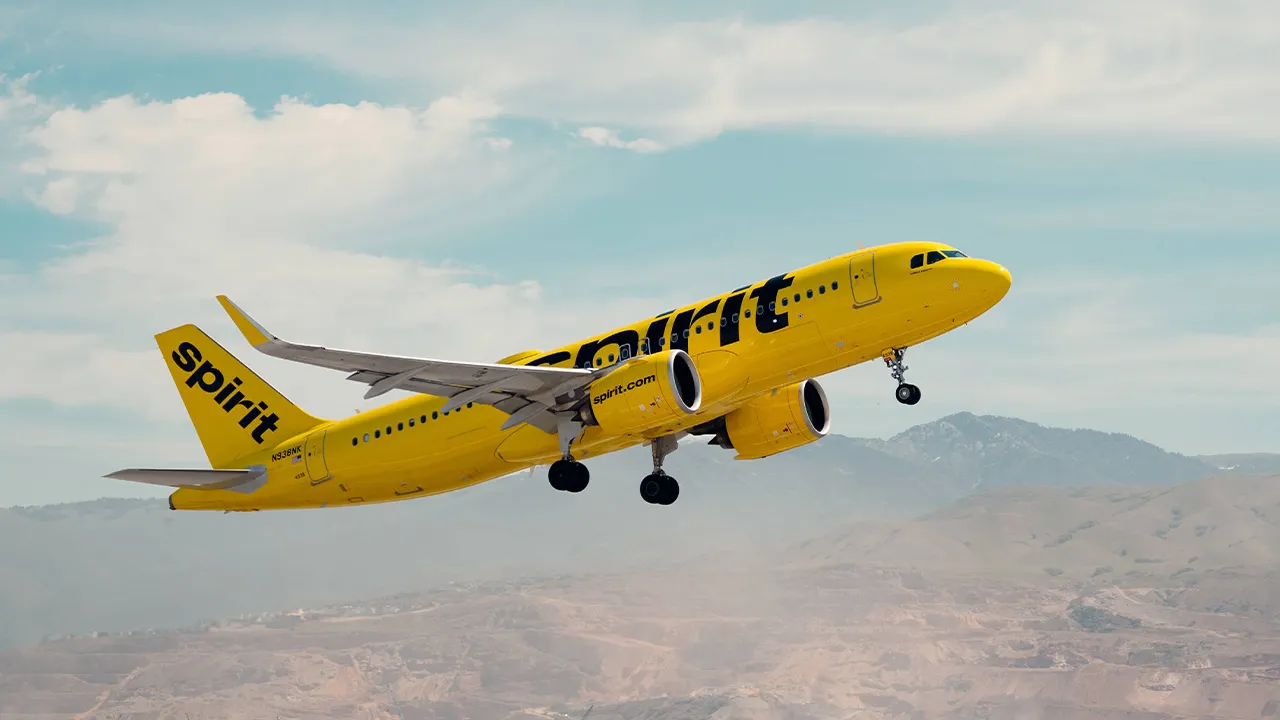
O’Leary Ventures Chairman Kevin O’Leary discusses the shutdown of Spirit Airlines and the price New York City is paying for Mayor Zohran Mamdani’s policies on ‘Varney & Co.’
Key Takeaways
- ULCC Vulnerability Exposed:Spirit Airlines’ shutdown underscores the extreme sensitivity of the ultra-low-cost carrier (ULCC) model to external shocks like volatile fuel prices and the challenge of maintaining liquidity in a capital-intensive, low-margin industry.
- Crowdfunding’s Reality Check:While generating significant online buzz and pledges, the viral campaign to “nationalize” Spirit via crowdfunding faces immense regulatory, financial, and operational hurdles, highlighting the stark difference between viral sentiment and the complexities of corporate acquisition and airline management.
- Market Consolidation & Pricing Power:Spirit’s exit from the market will likely reduce capacity, potentially leading to increased pricing power for remaining carriers and an acceleration of competitive adjustments within the budget airline segment, impacting consumer choices and fare structures.
One week after Spirit Airlines dramatically ceased operations, sending shockwaves through the competitive airline industry and stranding countless travelers, an unconventional campaign to resurrect the budget carrier has unexpectedly gained traction online. Spearheaded by a TikTok creator, the grassroots movement has amassed more than $335 million in non-binding pledges, reflecting a fascinating blend of retail investor enthusiasm and a fundamental misunderstanding of aviation market realities.
TikTok creator Hunter Petersonposted a videolast weekend proposing a plan to purchase Spirit through crowdfunding. The video, which has garnered more than 7 million views, quickly went viral, with Peterson suggesting that if enough people contributed, the airline could be revived and reimagined as a “people-owned” entity.
“This is a genius idea: We nationalize Spirit Airlines, owned by the people. Airlines gone. We make a new airline,” he declared, tapping into a sentiment often associated with retail investor movements like the “meme stock” phenomenon.
SPIRIT AIRLINES SHUTS DOWN IMMEDIATELY, STRANDING TRAVELERS: HERE’S HOW TO GET YOUR MONEY BACK
Spirit Airlines jets sat on the tarmac as the company ceased operations at Fort Lauderdale-Hollywood International Airport in Fort Lauderdale, Florida, on May 2, 2026.(GIORGIO VIERA/AFP via Getty Images / Getty Images)
Shortly after posting the video, Peterson launched letsbuyspiritair.com, which as of Saturday night had raised at least $337 million in nonbinding pledges. The site allows users to express interest in contributing toward a proposed ownership stake in Spirit Airlines. It’s crucial to note, however, that these contributions do not involve actual payments; they merely reflect expressed intent, highlighting a significant hurdle in translating viral enthusiasm into actionable capital in a highly regulated industry.
Peterson later acknowledged the unexpected momentum in a follow-up video: “This started as a joke and this is rapidly going out of control in the best possible way.” While the sentiment is admirable, the financial and operational complexities of acquiring and running a major airline are anything but a joke, as market veterans like O’Leary Ventures Chairman Kevin O’Leary, whose comments are featured, would attest.
SPIRIT AIRLINES LAWYER SAYS JET FUEL PRICE SURGE LEFT CARRIER WITH ‘NO REMAINING WAY OUT’ OF BANKRUPTCY
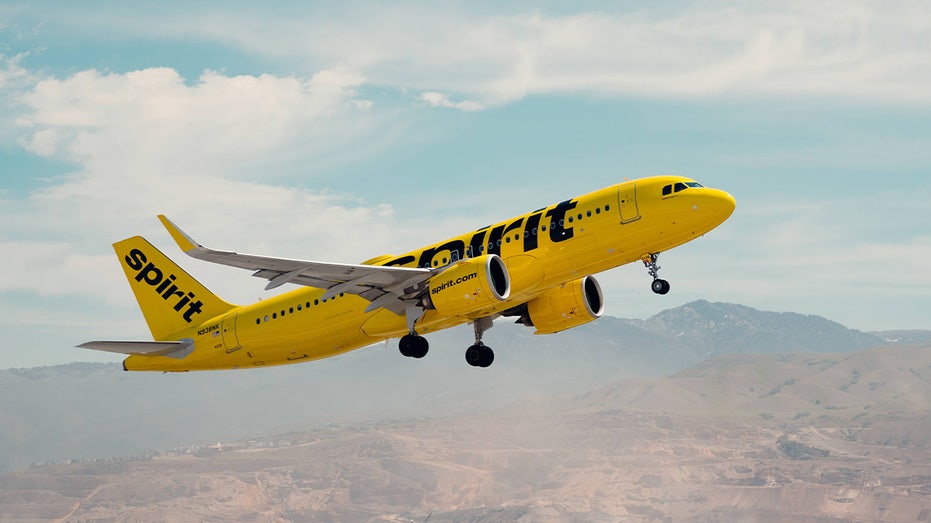
Spirit Airlines shut down operations after more than 30 years, prompting online efforts to revive the carrier through crowdfunding.(Spirit Airlines / Fox News)
Peterson’s proposal is largely modeled after the unique ownership structure of the Green Bay Packers, the NFL team that is publicly owned by its fans. However, applying this model to a commercial airline presents an entirely different set of challenges. Airlines operate under stringent FAA regulations, require massive capital expenditure for fleet maintenance and acquisition, manage complex route networks, and navigate volatile geopolitical and economic landscapes that directly impact their primary cost drivers, such as jet fuel.
Spirit announced May 2 that it would cancel all flights and wind down operations “effective immediately.” This decision followed a period of intense financial strain, exacerbated by a confluence of macroeconomic headwinds and sector-specific challenges. The company stated that customers who booked directly with Spirit using a credit or debit card would be automatically refunded, a standard procedure during airline bankruptcies to mitigate immediate consumer fallout.
UNITED FLIGHT CARRYING 221 PASSENGERS HITS POLE AND TRUCK ON APPROACH TO NEWARK
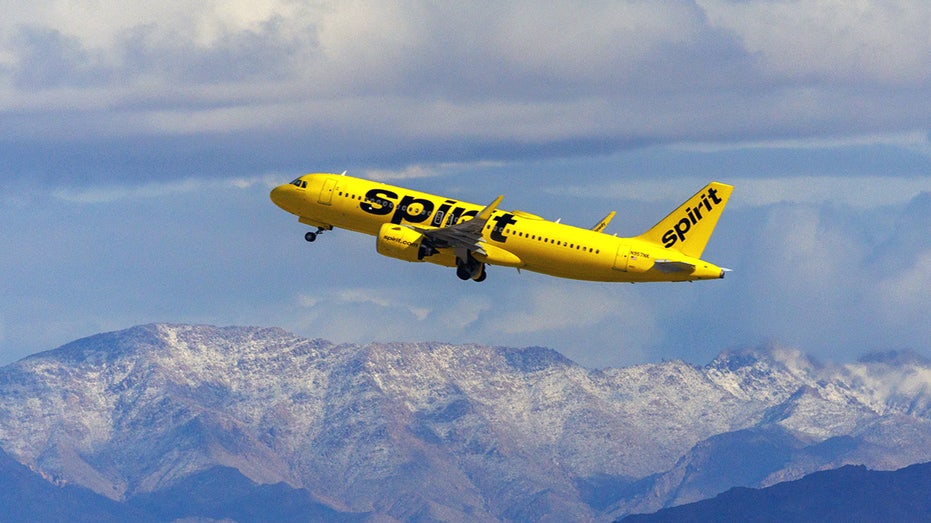
A Spirit Airlines commercial airliner flies after taking off from Las Vegas International Airport in Las Vegas, Nevada, U.S., February 8, 2024.(Mike Blake / Reuters)
“All flights booked with credit and debit cards are in the process of being automatically refunded,” a spokesperson for Spirit told FOX Business. “The majority of guests who booked travel on a credit or debit card were refunded as of Saturday evening, with a small percentage continuing to process. Refunds may take time to appear in a guest’s account.”
Spirit’s official statement cited failed restructuring efforts, critically pointing to rising fuel costs and an inability to secure additional funding. This highlights the precarious position of ultra-low-cost carriers (ULCCs). While Spirit carved out a niche by offering highly competitive fares, its business model relied on aggressive cost control, high load factors, and significant ancillary revenue. This model, while effective in stable conditions, leaves little margin for error when faced with external shocks. A surge in jet fuel prices, often driven by global oil market volatility and geopolitical events, directly erodes the already thin profit margins of ULCCs, pushing them towards insolvency if not adequately hedged or capitalized.
“For more than 30 years, Spirit Airlines has played a pioneering role in making travel more accessible and bringing people together while driving affordability across the industry,” Spirit’s President and CEO Dave Davis said in a statement. His subsequent remarks, however, painted a stark picture of financial distress: “… Sustaining the business required hundreds ofmillions of additional dollarsof liquidity that Spirit simply does not have and could not procure. This is tremendously disappointing and not the outcome any of us wanted.” This failure to secure additional liquidity speaks volumes about the challenging environment for distressed assets in the current market, where lenders and investors are increasingly risk-averse.
UNITED PILOT REPORTS MIDAIR DRONE SCARE NEAR AIRPORT DURING LANDING APPROACH
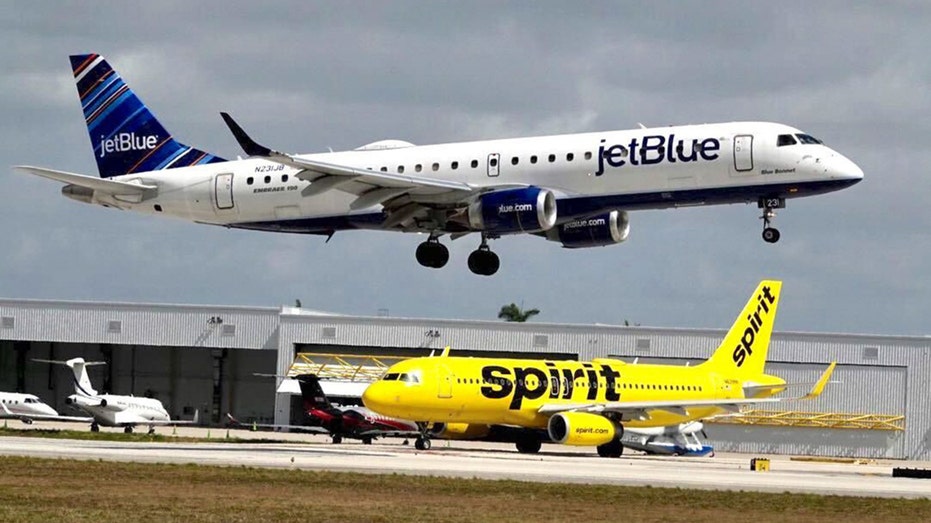
A JetBlue airliner lands past a Spirit Airlines jet on taxi way at Fort Lauderdale Hollywood International Airport on Monday, April 25, 2022.(Joe Cavaretta/Sun Sentinel/Tribune News Service via Getty Images / Getty Images)
Customers who purchased tickets through third-party vendors, including travel agencies, were advised to contact those providers for refunds, while claims from passengers who booked flights using vouchers, travel credits or loyalty points will be handled through Spirit’s bankruptcy process. This layered approach to refunds underscores the complex financial unwinding of an airline, involving multiple stakeholders and legal procedures.
FOX Business has reached out to Spirit for comment.
FOX Business’ Sophia Compton contributed to this report.
Market Impact
Spirit Airlines’ sudden collapse is poised to significantly reshape the competitive landscape of the U.S. domestic airline market, particularly within the budget travel segment. The immediate impact will be a reduction in overall seat capacity, which historically translates to increased pricing power for the remaining carriers. Airlines like Frontier, Allegiant, and even the “basic economy” offerings of major carriers such as American, Delta, and United, stand to gain market share and potentially raise fares on routes where Spirit was a primary competitor. This could lead to a net increase in travel costs for consumers accustomed to Spirit’s ultra-low price points. From an investment perspective, this capacity withdrawal could be seen as a positive catalyst for the profitability of the surviving airlines, assuming demand remains robust. The crowdfunding initiative, while a testament to viral consumer engagement, underscores a disconnect between retail enthusiasm and the formidable financial, regulatory, and operational hurdles inherent in the airline industry. It serves as a stark reminder that even with significant public interest, the capital requirements and complexities of operating a commercial airline far exceed the typical scope of internet-driven campaigns, reinforcing the industry’s status as a domain for highly specialized capital and management.