
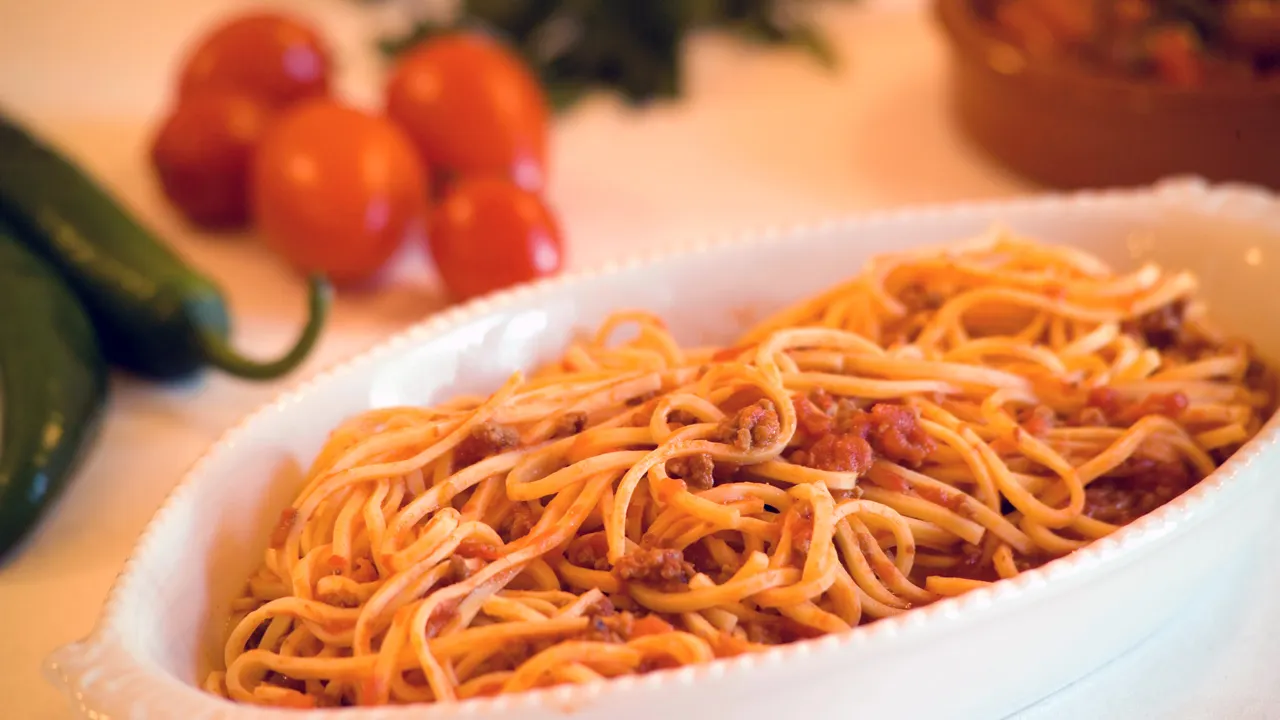
PepsiCo CEO Ramon Laguarta discusses how the food and beverage giant is seeing massive paybacks after slashing consumer prices on ‘The Claman Countdown.’
Key Takeaways: Food Recall Highlights Industry-Wide Supply Chain Risks
- Significant Financial Strain for Producers:The recall of nearly 23,000 pounds of Ukrop’s Homestyle Foods products will incur substantial direct and indirect costs, including logistics, disposal, lost revenue, brand rehabilitation, and potential legal liabilities, underscoring the financial fragility of food manufacturers.
- Heightened Scrutiny on Quality Control & Supply Chain Integrity:This incident, alongside other recent recalls, points to systemic vulnerabilities within the complex prepared foods supply chain, prompting renewed focus on stringent quality assurance protocols and robust foreign material detection technologies across the industry.
- Erosion of Consumer Trust & Increased Regulatory Pressure:Recurring food safety issues can diminish consumer confidence in convenience foods, intensifying regulatory oversight from bodies like FSIS and FDA, which may lead to stricter compliance requirements and impact future product innovation and market access for producers.
In an era where food and beverage giants like PepsiCo are navigating pricing strategies to optimize consumer appeal and profitability, as highlighted by CEO Ramon Laguarta, the foundational issue of product safety remains paramount. This week, the intricate balance between production efficiency, cost management, and consumer trust has been starkly underscored by a significant recall from Ukrop’s Homestyle Foods.
Nearly 23,000 pounds of Ukrop’s Homestyle Foods’ baked spaghetti and chicken cobbler products are being pulled from shelves due to potential contamination with metal slivers, according to an announcement from the U.S. Department of Agriculture’s Food Safety and Inspection Service (FSIS). This event isn’t merely a logistical headache; it represents a tangible financial hit and a critical challenge to brand equity within the highly competitive prepared foods sector.
The recalled products, distributed across Virginia, North Carolina, West Virginia, Department of War commissaries, and online sales channels, were flagged after a customer reportedly found a piece of metal in one of the items. For Ukrop’s Homestyle Foods, a name traditionally associated with regional comfort and quality, this incident poses a significant test of its operational resilience and brand management strategy. The immediate financial implications are multi-faceted, encompassing the direct costs of identifying, isolating, retrieving, and disposing of the contaminated products. Furthermore, there are substantial indirect costs, including investigative expenses, potential legal fees, public relations management, and perhaps most critically, the loss of future sales and damage to long-term brand equity.
Ukrop’s Baked Spaghetti products are being recalled after federal regulators said they may be contaminated with metal slivers.(U.S. Department of Agriculture / Unknown)
“The problem was discovered after the establishment received a consumer complaint regarding a metal piece found in a fully cooked product,” FSIS confirmed in its recall announcement. This customer-initiated discovery highlights the critical role consumers play as an unofficial, yet highly effective, layer of quality control. While FSIS has not confirmed any injuries, the potential for harm necessitates a swift and comprehensive response, which itself carries significant operational and financial burdens.
The timing of such recalls adds another layer of complexity. In an economic climate characterized by persistent inflation, rising input costs for ingredients, labor, and packaging materials are already squeezing profit margins for food producers. Companies are under immense pressure to maintain competitive pricing while absorbing these higher costs. As PepsiCo’s CEO alluded to, strategic pricing can yield “massive paybacks,” but such gains can be swiftly eroded by a recall, which not only removes product from the market but also tarnishes the very trust that underpins consumer purchasing decisions.
The recall affects products manufactured between July 1 and July 29, 2026, with “best by” dates ranging from July 8 through Aug. 5. This extended production window suggests that the issue might stem from a persistent lapse in quality control or equipment maintenance rather than an isolated incident. The affected items include 62.4-ounce bulk pans and 4.8-ounce single-serving trays of Ukrop’s Baked Spaghetti, along with 48-ounce family-size pans and 11.6-ounce single-serving trays of Ukrop’s Chicken Cobbler. The diversity of product sizes and types indicates a potentially widespread issue within the production facility, demanding a thorough internal investigation and potentially significant capital expenditure to upgrade or replace equipment.
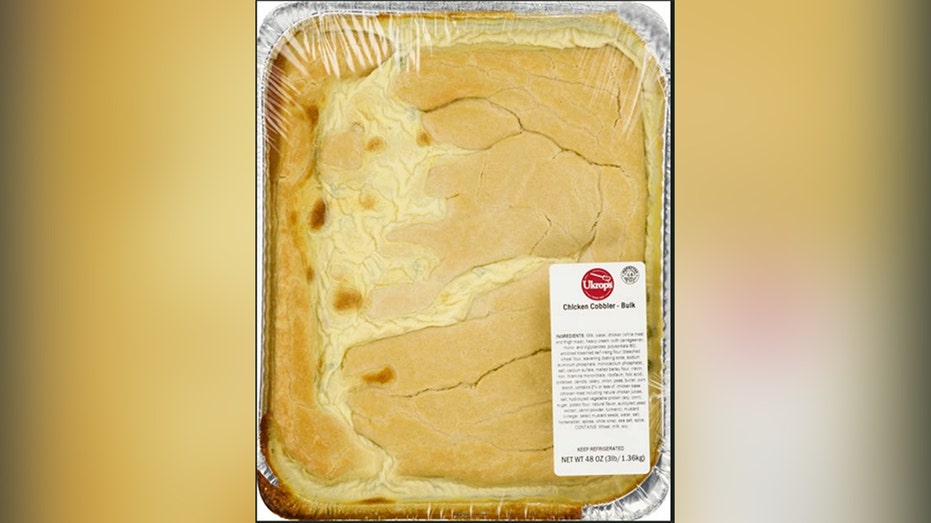
Ukrop’s Chicken Cobbler products are included in a recall over concerns they may contain metal slivers, according to federal regulators.(U.S. Department of Agriculture / Unknown)
This incident is not an anomaly in the broader food industry landscape. Just recently, Rich Products Corp. recalled over 160,000 pounds of its Farm Rich Pizza Cheese Crunchers in June for similar concerns about metal pieces. Before that, frozen burritos sold at Costco prompted a public health alert over undeclared allergens, and Publix expanded a frozen berry recall amid an E. coli outbreak. These successive incidents underscore a broader industry struggle with maintaining stringent quality controls amid increasingly complex global supply chains and high-volume production demands. Each recall, whether due to foreign materials, undeclared allergens, or bacterial contamination, chips away at consumer confidence in the safety and reliability of processed and convenience foods.
For retailers stocking Ukrop’s products, the recall also presents operational challenges and potential financial strain. Supermarkets must rapidly remove affected inventory, manage customer inquiries and returns, and potentially deal with temporary gaps in their prepared foods sections, impacting their own sales and customer satisfaction. The ripple effect extends through the entire distribution network, highlighting the interconnectedness of the food supply chain and the systemic risks that can emerge from a single point of failure.
CLICK HERE TO DOWNLOAD THE FOX NEWS APP
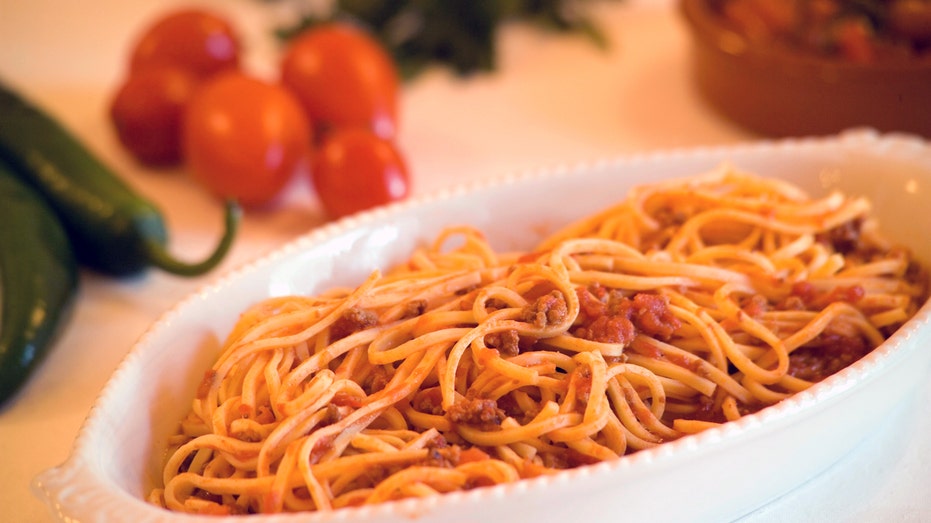
Federal regulators announced a recall of nearly 23,000 pounds of Ukrop’s baked spaghetti and chicken cobbler products over concerns they may contain metal slivers.(Alfio Giannotti/REDA/Universal Images Group via Getty Images / Getty Images)
Market Impact:
The Ukrop’s recall, while specific to a regional producer, resonates across the entire food processing and prepared meals sector. Investors in publicly traded food companies will likely reinforce their scrutiny of quarterly reports for detailed breakdowns on quality control investments, supply chain resilience, and product recall insurance coverage. Such incidents tend to prompt a sector-wide re-evaluation of manufacturing protocols, potentially leading to increased capital expenditures in advanced foreign material detection technologies (e.g., X-ray inspection systems, metal detectors) and enhanced employee training programs. Furthermore, the recurring nature of recalls across different companies could embolden regulatory bodies like the FSIS and FDA to implement stricter guidelines or increase audit frequencies, thereby raising compliance costs for all manufacturers. In the long term, companies that demonstrate robust quality assurance and transparent crisis management will likely gain a competitive advantage and maintain stronger brand loyalty, while those that falter may see their market share and investor confidence diminish, underscoring that food safety is not just a regulatory obligation, but a critical driver of shareholder value and market stability.
FOX Business’ Brie Stimson contributed to this report.