
When you purchase through links in our articles, we may earn a small commission. This doesn’t affect our editorial independence.
**Key Takeaways**
- **Strategic Pivot**: Truecaller, primarily known for caller ID, is launching eSIM services for travelers in 29 countries (excluding India) to diversify its revenue streams and counter declining ad revenues.
- **Leveraging User Base**: The company aims to capitalize on its massive existing user base of over 500 million monthly users, believing their established trust will provide a significant competitive advantage in user acquisition against existing eSIM providers.
- **Financial Resilience**: This move is a direct response to recent financial struggles, including a 27% drop in Q1 2026 net sales, a 44% decline in ad revenues, and a 70-job reduction, signaling a critical shift towards subscription-based services.
Truecaller Dives into Travel eSIM Market Amidst Financial Headwinds
In a significant strategic pivot, Truecaller, the global leader in caller identification and spam blocking, has announced its entry into the burgeoning travel eSIM market. This bold move sees the company roll out eSIM services aimed at international travelers, a direct effort to shore up its balance sheet and broaden its business model beyond its traditional advertising-reliant operations. The launch comes at a critical juncture for Truecaller, which has been grappling with declining ad revenues and a challenging financial landscape.
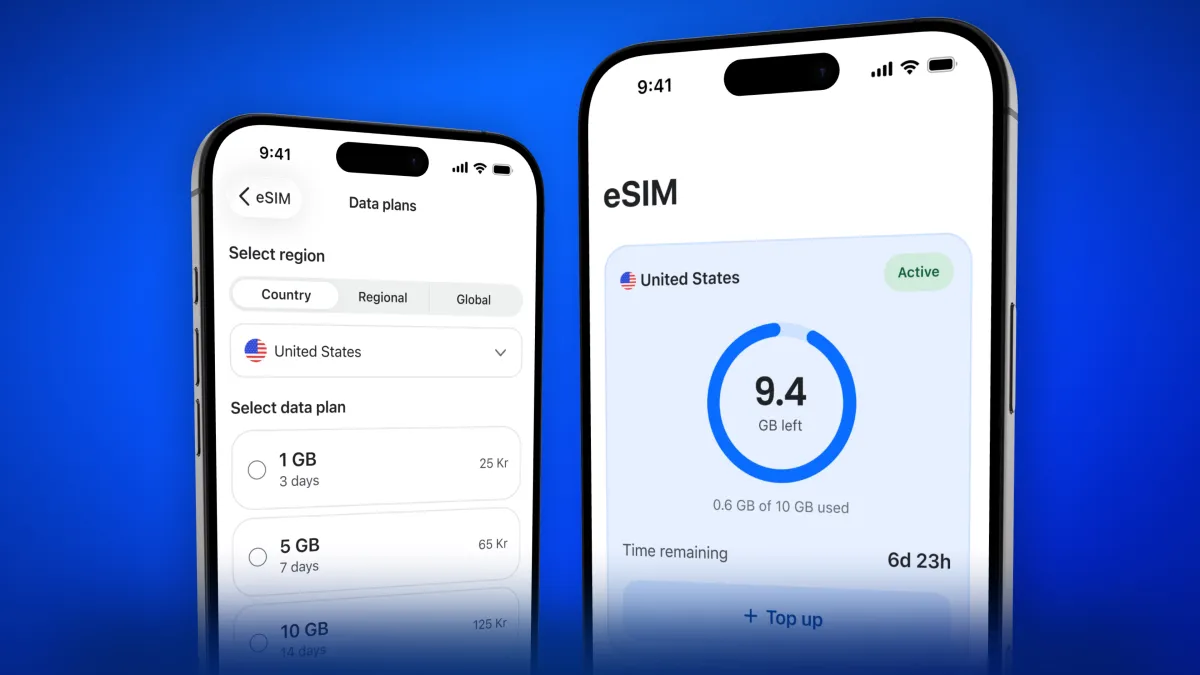
The new eSIM offering, designed for convenience and connectivity on the go, will initially be available in 29 countries. Travelers will have a range of data plans to choose from, starting at 1 GB over 7 days and extending up to 20 GB for a 30-day period. This flexibility aims to cater to various travel needs, from short trips to extended stays abroad. Among the initial launch territories are key markets such as Italy, Sweden, Spain, France, Germany, Poland, Portugal, Romania, the Netherlands, Belgium, Ireland, Austria, Finland, the Czech Republic, Denmark, Hungary, the United States, the United Kingdom, Australia, Canada, New Zealand, Switzerland, Norway, Chile, Indonesia, Malaysia, South Africa, Egypt, and Nigeria.
Notably absent from this extensive list is India, Truecaller’s largest market. This omission is largely attributable to India’s stringent telecom regulations, which have historically posed challenges for similar international eSIM providers. Concerns over fraudulent use previously led to the blocking of popular services like Airalo and Holafly in the country, suggesting Truecaller is proceeding cautiously and possibly working towards compliance before a potential future launch.
To power its new venture, Truecaller has forged partnerships with industry specialists. Global cellular connectivity provider Telna will handle the backbone of the eSIM platform, ensuring robust and widespread network access. Complementing this, telecom software provider Telness Tech will provide the essential software infrastructure to operate and manage the eSIM services, ensuring a seamless user experience within the Truecaller application.
The Strategic Imperative: Battling Ad Revenue Slumps
Truecaller’s foray into the eSIM market is far from a whimsical expansion; it’s a calculated strategic maneuver necessitated by recent financial performance. The company has been under considerable pressure, as evidenced by its disappointing Q1 2026 numbers. Net sales plummeted by 27% to 362 million SEK ($39.34 million), a stark indicator of the headwinds it faces. Even more concerning, ad revenues, traditionally a significant contributor to its top line, saw a drastic 44% decline.
These figures paint a clear picture of a company in transition. The tech industry, particularly platforms heavily reliant on advertising, has experienced a turbulent period marked by economic slowdowns, increased privacy regulations impacting targeting capabilities, and heightened competition. In response to these challenges, Truecaller recently undertook a difficult restructuring, slashing 70 jobs across various teams, underscoring the urgency of finding new, sustainable revenue streams.
Truecaller Chief Operating Officer Fredrik Kjell highlighted the strategic importance of this diversification. “This is a strategic move for Truecaller that makes the app more usable for users,” Kjell told TechCrunch via email. This indicates a broader vision to evolve the Truecaller app from a niche utility to a more comprehensive digital companion, offering a wider array of services that enhance user engagement and loyalty.
Navigating a Competitive Landscape with a Built-in Advantage
The eSIM market, while growing rapidly, is already populated with established players. Companies like Airalo, Holafly, Roamless, and even NordVPN’s Saily have carved out niches, offering convenient international connectivity solutions. However, Truecaller believes its existing user base of over 500 million monthly active users provides an unparalleled competitive edge.
“The starting point is different from other players in the category. They have had to build their audiences from zero,” Kjell explained. “We are offering travel eSIM inside our app that over 500 million people already use and trust every month. These are established relationships, with a large number of people having used Truecaller for many years. That changes distribution and pricing.” This established trust and direct access to a massive, engaged audience significantly lowers Truecaller’s customer acquisition costs and provides a warm lead environment that competitors lack. Instead of spending heavily on marketing to attract new users to a novel service, Truecaller can simply introduce the eSIM option to an already captive and loyal user base.
The Global eSIM Market and India’s Regulatory Maze
The timing of Truecaller’s entry aligns with a significant surge in eSIM adoption worldwide. eSIM technology, which allows users to activate a cellular plan without a physical SIM card, offers unparalleled convenience for travelers, enabling them to switch between local and international plans effortlessly and avoid exorbitant roaming charges. The increasing compatibility of modern smartphones with eSIM technology, coupled with the renewed vigor in global travel post-pandemic, has fueled investor interest and rapid growth in the sector. Over the past year alone, several eSIM startups, including Airalo, Roamless, Kolet, eSIMo, and Truley, have successfully raised millions in funding, underscoring the market’s potential.
Despite this global momentum, the absence of India from the initial launch list highlights a significant regulatory hurdle. India’s telecom landscape is notoriously complex, with stringent rules designed to protect domestic operators and address national security concerns. The government’s past actions against international eSIM providers like Airalo and Holafly, citing concerns over potential misuse for fraudulent activities, underscore the delicate balance Truecaller must strike. While India represents Truecaller’s largest user base, navigating these regulatory waters will require careful negotiation and potentially a localized approach before an Indian launch can be contemplated.
Beyond eSIM: Truecaller’s Diversification Playbook
The eSIM launch is not an isolated initiative but rather a key component of Truecaller’s broader strategy to enhance subscription revenues. In an era where ad revenue is increasingly volatile, the company is actively exploring and investing in additional services designed to drive paid subscriptions. Recent introductions like the AI Assistant and Family Protection features are examples of this pivot, aiming to provide enhanced value to users willing to pay for premium experiences. The eSIM service fits perfectly into this diversification playbook, offering a tangible, high-value service that can be integrated into existing subscription tiers or offered as a standalone paid feature, thus creating newer money-making avenues and reducing reliance on the fluctuating ad market.
**Bottom Line**
Truecaller’s leap into the travel eSIM market is a high-stakes gamble born out of necessity. Faced with considerable financial pressure from declining ad revenues and a competitive tech landscape, the company is strategically leveraging its vast user base and established brand trust to carve out a new revenue stream. While the absence of India from the initial rollout presents a significant challenge in its largest market, the global potential of convenient travel connectivity, combined with Truecaller’s unique distribution advantage, positions this venture as a crucial pillar in its long-term strategy for resilience and growth. The success of this pivot will not only determine Truecaller’s financial future but also serve as a case study for how established tech platforms can reinvent themselves in a rapidly evolving digital economy.
Source:{feed_title}