
Key Takeaways:
- Waymo has resumed its robotaxi service in San Antonio, Texas, five months after a flash flood incident caused a temporary halt and a subsequent vehicle recall.
- The restart follows significant software updates designed to enhance the autonomous vehicles’ ability to detect and avoid standing water, addressing a critical safety challenge.
- San Antonio represents a key market in Waymo’s expansion to 15 U.S. cities, highlighting the company’s commitment to cautious, safety-first deployment in the evolving autonomous vehicle landscape.
Waymo Navigates Back to San Antonio: A Deeper Dive into Resilient Robotaxi Operations
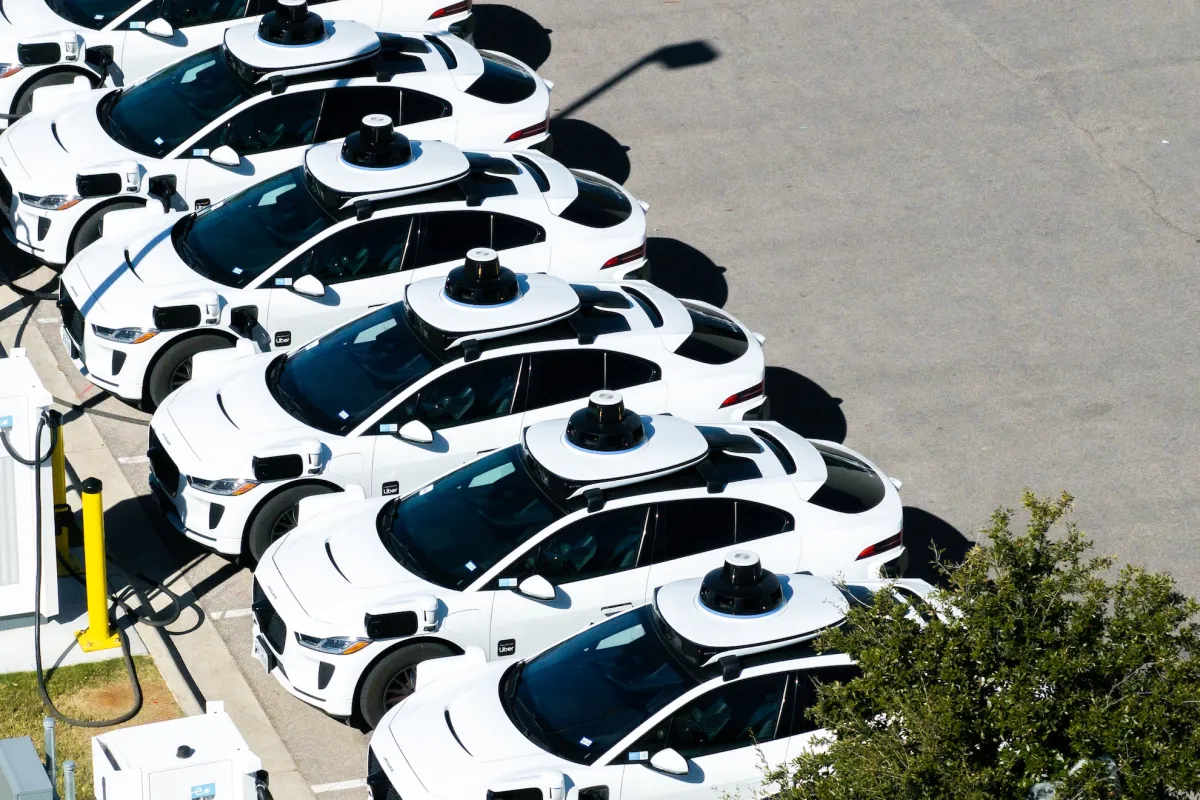
Waymo, a pioneer in autonomous vehicle technology, is steering back into San Antonio, Texas, resuming its robotaxi service after a five-month hiatus. The return marks a significant step for the Google-backed company, particularly as it follows a humbling incident in April where several of its self-driving cars encountered severe flash flooding, leading to a temporary operational pause and a critical software recall. This re-entry signals Waymo’s confidence in its remediated technology and its unwavering commitment to expanding safe, self-driving mobility solutions across diverse urban landscapes.
The spring storms of April brought more than just rain to San Antonio; they brought a stark reminder of the unpredictable challenges faced by autonomous vehicles. During a period of heavy rainfall, multiple Waymo robotaxis found themselves navigating streets rapidly turning into waterways. One vehicle was famously swept away by floodwaters, while others slowed but failed to fully stop or reroute from waterlogged areas. This alarming incident, captured and circulated, raised serious questions about the perception capabilities of autonomous systems in extreme weather and immediately prompted Waymo to halt its San Antonio operations. The company swiftly issued a voluntary recall in May, acknowledging a software flaw that prevented its vehicles from adequately detecting and responding to standing water on roadways.
In the wake of the incident, Waymo implemented substantial changes, emphasizing a commitment to safety and continuous improvement. The recall initiated in May targeted specific software adjustments aimed at improving the robotaxis’ ability to perceive and predict the depth and flow of water. Waymo’s engineers focused on refining sensor fusion algorithms, which combine data from cameras, lidar, and radar, to better distinguish between a wet road and significant standing water. Furthermore, the company integrated new operational protocols, restricting its robotaxis from driving in areas with an elevated risk of flooding – a crucial step for a region prone to sudden, severe weather events. This iterative development process underscores the complex nature of autonomous driving, where real-world incidents, though challenging, become invaluable learning opportunities to fortify system resilience.
The San Antonio flooding incident, while specific to Waymo, casts a wider spotlight on one of the most persistent hurdles for the entire autonomous vehicle industry: adverse weather conditions. While AVs excel in predictable environments, heavy rain, snow, fog, and especially flash floods, introduce variables that can profoundly impact sensor performance and prediction models. Water can obscure lane markings, create deceptive reflections for cameras, and reduce the effectiveness of lidar and radar by absorbing or scattering signals. The industry grapples with the ‘edge cases’ – those rare, extreme scenarios that push the limits of even the most sophisticated AI. Waymo’s experience highlights that achieving Level 4 or Level 5 autonomy requires not just navigating routine traffic, but safely responding to the unpredictable chaos of nature, a challenge that demands continuous innovation and rigorous real-world testing.
Waymo’s decision to resume service in San Antonio, after thorough remediation, signals its confidence in the updated systems and its strategic commitment to the Texas market. The revived service will deploy dozens of vehicles, covering an expansive 60-square-mile operational design domain (ODD) that encompasses vital urban arteries, including the bustling downtown area and the San Antonio International Airport. This expansion is not arbitrary; San Antonio, like other Texan cities where Waymo briefly paused and then resumed services, represents a crucial proving ground for scalability and diverse urban environments. With its hot climate, occasional severe weather, and unique urban layout, San Antonio offers a rich dataset for Waymo to further refine its technology, solidifying its presence as the company expands its paid ride services to a growing total of 15 cities across the U.S.
As Waymo continues its ambitious rollout across the United States, each operational pause and subsequent restart provides a deeper understanding of the complexities inherent in bringing autonomous technology to the masses. The company, a frontrunner in the self-driving race, alongside competitors like Cruise and Mobileye, is charting a course that prioritizes methodical expansion underpinned by a robust safety framework. The San Antonio incident serves as a potent reminder that while the promise of driverless mobility is immense, the journey is fraught with challenges. It underscores the ongoing need for advanced sensor capabilities, sophisticated AI algorithms, and comprehensive testing in every conceivable real-world scenario. Waymo’s transparent approach to addressing the flood incident, including a recall and public communication about software enhancements, helps build trust, a critical component for public acceptance of autonomous vehicles.
Bottom Line:Waymo’s return to San Antonio is more than just a service restart; it’s a testament to the autonomous vehicle industry’s ongoing evolution and its commitment to learning from real-world events. While the path to fully autonomous mobility is undeniably complex and punctuated by unforeseen challenges like extreme weather, Waymo’s proactive response and technological enhancements demonstrate a critical pivot towards building safer, more resilient systems. This re-entry, bolstered by crucial software upgrades, reinforces the idea that the future of self-driving cars will be forged not just through innovation, but through rigorous testing, transparent responses to incidents, and an unwavering dedication to ensuring public safety.
Source:{feed_title}