
Check out what’s clicking on FoxBusiness.com.
**Key Takeaways:**
1. **Strategic Expansion Amidst Sector Volatility:** Trader Joe’s aggressive 25-store expansion signals confidence in its distinctive private-label model and resilient consumer demand, even as the broader grocery sector grapples with inflation, shifting spending habits, and intense competition.
2. **Competitive Pressure and Niche Dominance:** This significant pipeline of new locations intensifies competitive pressure on traditional supermarkets, value grocers, and specialty food retailers, as Trader Joe’s leverages its cult following and unique shopping experience to further penetrate high-growth demographic areas.
3. **Real Estate & Labor Market Signals:** The expansion underscores continued robust demand for prime retail real estate, particularly for grocery anchors, and will generate substantial local job creation, impacting regional labor markets and consumer spending patterns in the new communities.
Trader Joe’s, the privately-held, California-based grocery chain known for its unique private-label products and distinctive shopping experience, is significantly expanding its national footprint with the announcement of 25 new store locations across 14 states. This ambitious growth pipeline, recently augmented by nine additional stores, signals a strong bullish outlook from the company amidst a dynamic and often challenging retail grocery landscape.
The company announced Wednesday that these nine new stores are now in development, bringing the total slated openings to more than two dozen. All locations have been identified, though specific opening dates remain to be determined. This expansion comes as the broader grocery sector navigates persistent inflation, evolving consumer preferences for value and convenience, and an increasingly crowded competitive field.
“We are proud to be joining the neighborhood, and to continue our commitment to providing nourishment to the surrounding communities through our Neighborhood Shares program,” the company stated, emphasizing its community-centric approach which often resonates strongly with consumers.
TRADER JOE’S WORKERS SHUT DOWN LONG-RUNNING CHECKOUT LINE RUMOR: ‘OVER-THE-TOP FRIENDLINESS’
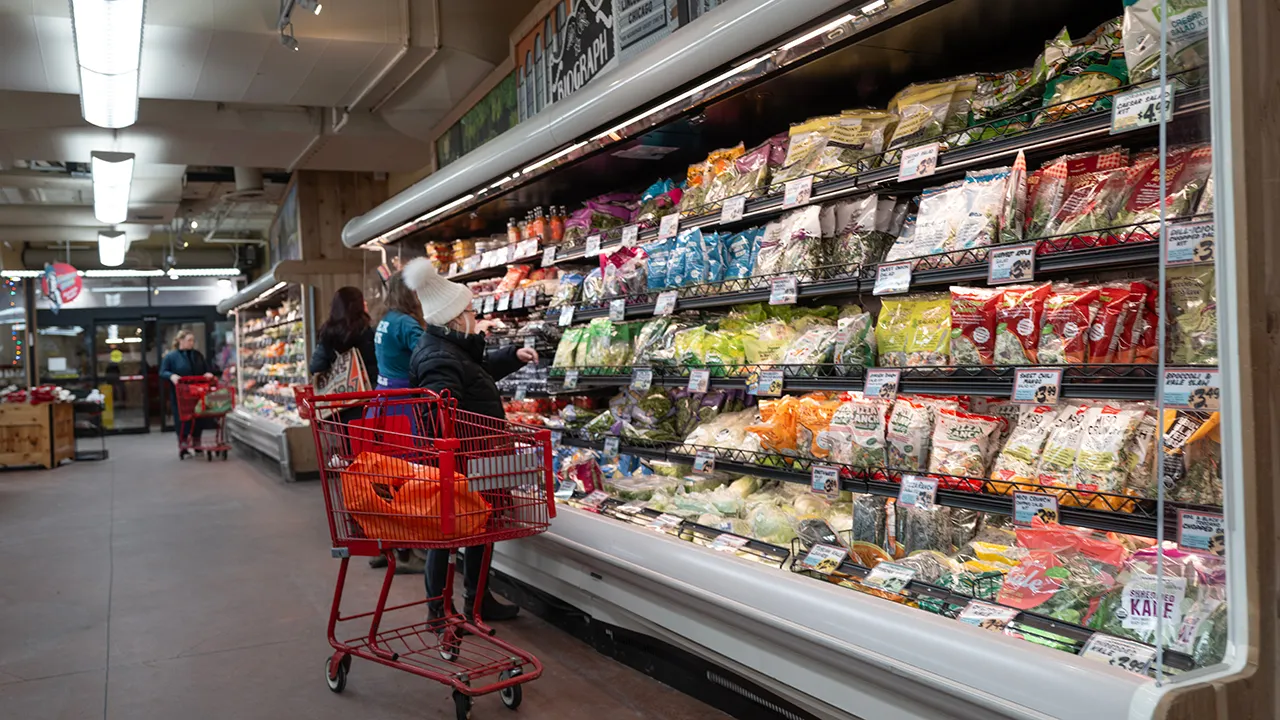
A customer walks past a produce aisle at Trader Joe’s.(Scott Olson/Getty Images / Getty Images)
The new round of storefronts spans key growth markets including Arizona, Florida, Illinois, Massachusetts, Michigan, New York, Ohio, and Utah. This geographic spread suggests a strategic targeting of both established urban and burgeoning suburban areas where demographic trends indicate strong demand for specialty and value-oriented grocery options.
The nine newly identified locations across eight states include:
- Arizona: Phoenix (21001 North Tatum Boulevard, Suite 1030)
- Florida: Sarasota (8199 S Tamiami Trail, Unit 100)
- Illinois: Chicago (804 West Montrose Ave.)
- Massachusetts: Quincy (111 General McConville Way)
- Michigan: Farmington Hills (27658 Middlebelt Rd.)
- New York: Syracuse (3515 West Genesee St.)
- New York: Yonkers (2482 Central Park Ave.)
- Ohio: University Heights (2643 Warrensville Center Rd.)
- Utah: West Jordan (5561 W 7800 S.)
Market Context: Trader Joe’s Thrives in a Shifting Grocery Landscape
Trader Joe’s expansion strategy is particularly noteworthy given the current economic climate. Consumers have become increasingly price-sensitive due to elevated inflation, prompting a shift towards discount retailers and private-label brands. Trader Joe’s, with its extensive array of private-label products—reportedly 80% of its inventory—and competitive pricing, is uniquely positioned to capitalize on this trend. Its relatively smaller store footprint also allows for lower operating costs and a quicker market entry compared to conventional supermarkets or big-box retailers like Walmart and Target, which are also aggressively expanding their grocery offerings.
COSTCO FANS ERUPT AFTER BELOVED FOOD COURT ITEM REPLACED BY HIGH-CALORIE NEWCOMER
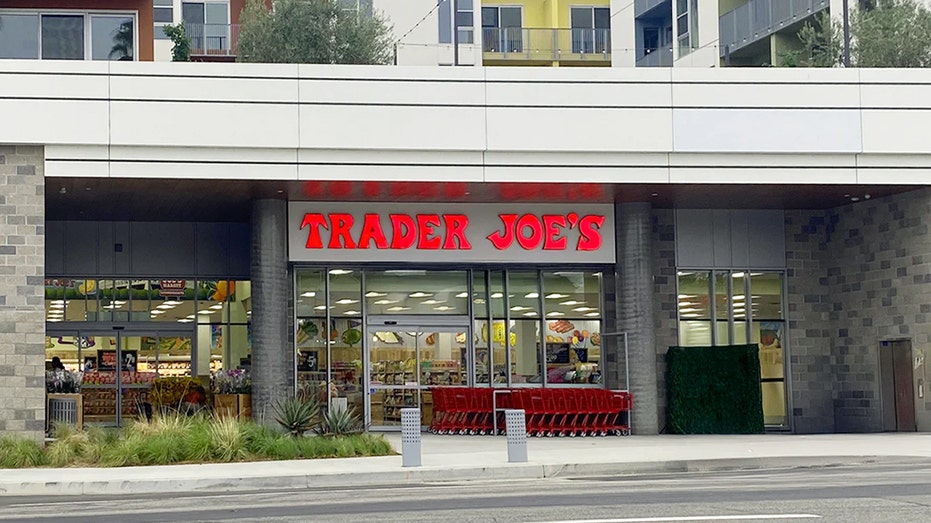
A Trader Joe’s store is seen during nonoperating hours in Sherman Oaks, California.(Trader Joe’s)
This expansion will undoubtedly put additional pressure on publicly traded rivals such as Kroger (KR), Albertsons (ACI), and Ahold Delhaize (ADRNY), as well as specialty grocers like Whole Foods (owned by Amazon, AMZN) and Sprouts Farmers Market (SFM). While Trader Joe’s does not directly compete on variety with full-service supermarkets, its strong brand loyalty, curated product selection, and “treasure hunt” shopping experience divert significant consumer spending, particularly from higher-margin specialty and organic categories. The move also signals a potential challenge to other value-oriented players like Aldi, which shares a similar private-label focus but caters to a slightly different market segment.
The other 16 previously announced locations further diversify its market reach, indicating a comprehensive growth strategy:
- Arizona: Tucson (2150 E. Broadway Blvd.)
- California: Anaheim Hills (6336 E. Santa Ana Canyon Rd.)
- California: Paso Robles (2457 Golden Hill Rd.)
- Florida: Orlando (1444 North Alafaya Trail)
- Florida: West Palm Beach (8111 S. Dixie Highway)
- Georgia: Johns Creek (1000 Medley Blvd.)
- Illinois: Oswego (1930 US-34)
- Kansas: Merriam (8700 Shawnee Mission Parkway)
- Louisiana: New Orleans (2428 Napoleon Ave.),
- Louisiana: Mandeville (3377 US Highway 190)
- Louisiana: Lafayette (1710 Camellia Blvd.)
- Massachusetts: Reading (34 Walkers Brook Drive)
- New Jersey: West Orange (471 Mt. Pleasant Ave.)
- Utah: Herriman (4850 W. 13400 South)
- Washington: Seattle (401 NE Northgate Way)
- Washington: Spokane Valley (13414 E. Sprague Ave.)
Details surrounding the store openings — including store size, parking capacity, and inventory offerings — remain limited beyond the listed addresses, a common practice for the discreet retailer. However, the choice of locations suggests a focus on areas with solid household incomes and a demonstrated preference for unique food offerings.
As of May 20, Trader Joe’s opened four new storefronts across the country earlier this year, including one in Hamden, Connecticut; Miller Place, New York; McKinney, Texas; and Woodinville, Washington. These earlier openings highlight a steady, incremental growth strategy, building momentum for the larger pipeline now announced.
Close-up of a Trader Joe’s grocery bag, showcasing the store’s logo, in Reliez Valley, California, May 29, 2024.(Smith Collection/Gado/Getty Images / Getty Images)
CLICK HERE TO DOWNLOAD THE FOX NEWS APP
The chain, known for its private-label products, affordable prices, and upbeat shopping experience, currently operates stores across 42 states and the District of Columbia. The sustained growth reinforces its position as a formidable player, even without e-commerce or extensive marketing, relying instead on word-of-mouth and a consistent in-store experience. States currently without a Trader Joe’s location include Alaska, Hawaii, Mississippi, Montana, North Dakota, South Dakota, West Virginia, and Wyoming, suggesting further long-term expansion potential, albeit in less densely populated markets.
Market Impact:
Trader Joe’s aggressive expansion directly impacts the competitive landscape of the U.S. grocery sector. While not publicly traded, its growth signifies robust consumer demand for its unique value proposition, potentially drawing market share from publicly listed competitors like Kroger, Albertsons, and even specialty retailers. This will likely spur further innovation and competitive pricing strategies across the industry. Furthermore, the substantial number of new locations will generate demand for commercial real estate, particularly in desirable retail corridors, benefiting landlords and real estate investment trusts (REITs) focused on grocery-anchored centers. The creation of thousands of new jobs will also provide a boost to local economies and labor markets in the target regions.